

DeCoster has been writing since he was 14, not because someone told him to, but because he had something to say. The Montreal-born hip-hop artist sat down with us to talk about ownership, process, and what it really takes to build a catalog of over ten independent projects without compromising the message. From selecting beats in silence to performing in cities across the United States, DeCoster moves with the kind of quiet intention that serious artists develop over time, not overnight. In this conversation, he opens up about the influences that shaped him, the discipline behind his writing, and why he’d rather master the business of music than keep playing the lottery.
You started writing your first track just to participate in a group — at what point did it shift from “I’m doing this to fit in” to “this is mine”?
DeCoster: I believed that I felt like I owned my art when I realized that I had full control over it. Full control over the cadence, the words, and the tone used to express my thoughts. When I saw that I could really follow the rhythm and place my words inside of it, no matter how fast or slow it goes. From the very start, I was doing it for me, never to fit in.
You’ve released over ten projects independently. Do you have a ritual or headspace you get into before starting a new body of work, or does it just begin when it begins?
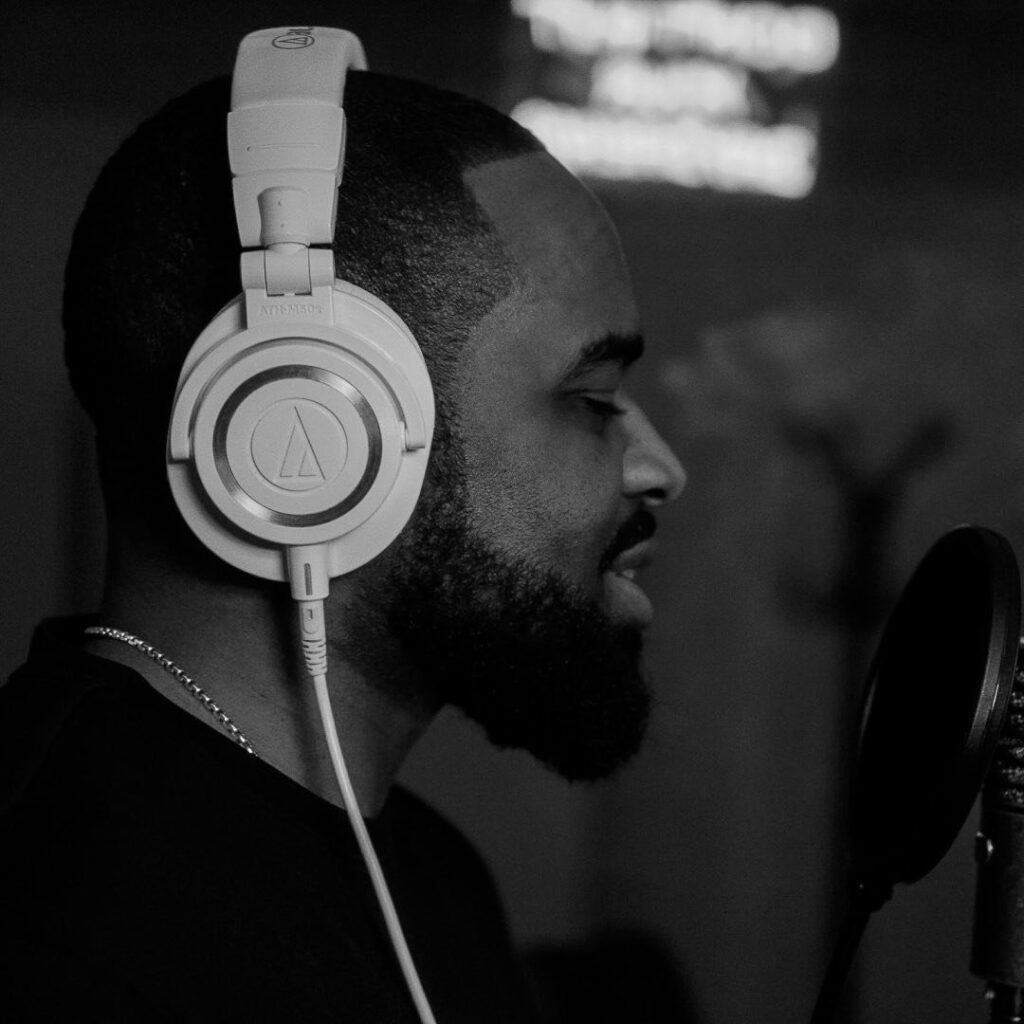
DeCoster: I usually select the instrumentals first, and when I see that I have selected 4-5 that I really like, that’s when I usually know that there are at least 4-5 more of them coming. When I’m at my 2nd song completed (written), that is when I feel like I’m too far invested to stop, so it’s like I place this obligation inside my mind to finish the project no matter what. I always try to have a mix of feelings in my projects. My goal is always to give great bodies of work worth listening to for different moods and situations (inspired by Ludacris).
When you’re building a song from concept to execution, where does it usually start — a feeling, a line, a beat, a title?
DeCoster: It usually starts with a beat. The beat gives me the feeling, and from that feeling, I get inspired to choose a topic to write on. The title usually comes when it’s time to write a hook for the song.
Your influences — Tupac, Black Thought, Jadakiss — are all known for lyrics that hit hard and mean something. What’s a bar from someone else you wish you’d written?
DeCoster: I have appreciated the bars of all these artists; that’s why I was always inspired to write my own so one day maybe they could appreciate mine as well.
Is there a point in writing where you know a song is actually done, or do you just stop at some point and let it go?
DeCoster: I always try to stay structured when it’s time to write a real song (usually 2 verses + 1-2 hooks). I’m trying to keep it short but effective. Sometimes, I like to just rap and write a longer verse with 1 or no hook at all. I always go until the end of my writing process; rarely do I quit on a song without finishing it.
How do you define a “well-written” rap song? What separates structured songwriting from just putting words on a beat?
DeCoster: I think that a great song is a mix of the quality of flow and bars, but I think that the message in the song is very important as well. The quality of the beat will make all the difference in the impact the song will have. I think that choosing the right beat has a greater chance of being liked and remembered.
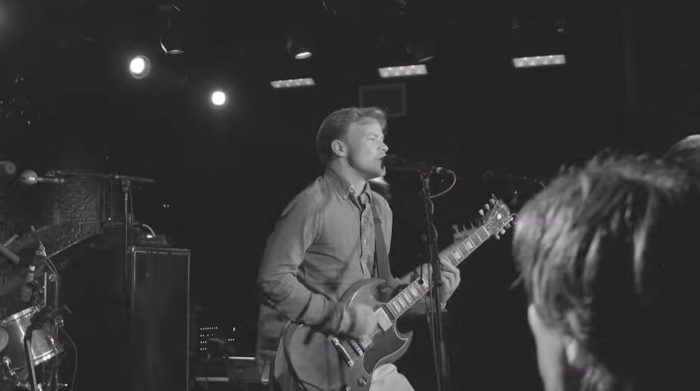
You’ve performed in New York, Atlanta, LA, Austin — which city’s crowd taught you something about your own music you didn’t already know?
DeCoster: Seeing other artists performing in these cities taught me that I had to get serious about it. The dedication I saw in some of them inspired me and made me feel like I was going hard enough.
What’s something you believed about the music industry at 14 that you’ve completely unlearned?
DeCoster: I always thought that talent was enough, that I, being a great artist, would catch the attention of someone who would give me that chance that I knew I deserved so much. I realized that it could sometimes be how it works, but also that there is a very important business side of music that I should get familiar with instead of “playing the lottery.”