

The intersection of celebrity culture and political optics has once again sparked a firestorm, as Nicki Minaj finds herself at the center of a heated public debate. The rapper was recently photographed alongside Louisiana Governor Jeff Landry during a White House event, a move that has left many of her supporters deeply frustrated and questioning her political associations.
The event, which was ostensibly organized to promote a Treasury Department child savings initiative, brought together various officials and public figures. While the program itself focused on financial opportunities for families, the presence of Governor Landry—a figure known for his polarizing legislative record—overshadowed the intended message for many observers.
Governor Landry has faced significant criticism for his policy decisions in Louisiana. Most notably, he signed a congressional map that effectively eliminated one of the state’s two majority-Black U.S. House districts. Furthermore, his administration has been aggressive in its stance on education, specifically regarding the implementation of legislation that bans critical race theory from K-12 public school classrooms. For many of Minaj’s fans, these actions represent a direct conflict with the values they expect the artist to uphold.
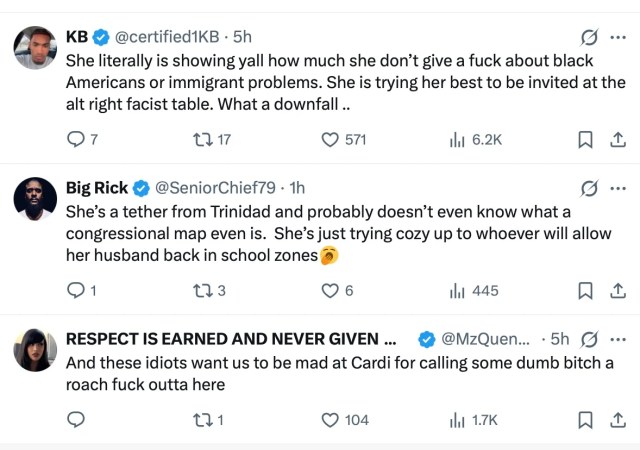
The backlash has been swift and vocal, particularly on social media platforms. Critics argue that by appearing alongside a politician who has been accused of actively undermining the rights of marginalized communities, the rapper is inadvertently signaling support for policies that harm her own fanbase. The sentiment is clear: fans are demanding accountability and a better understanding of the political figures with whom she chooses to align.
As the internet continues to dissect the optics of the event, the conversation has expanded to include the rapper’s previous political leanings. Observers have pointed to her past interactions with other figures associated with the MAGA movement, suggesting a pattern that many find concerning. The consensus among her detractors is that celebrity influence carries weight, and aligning with figures who are perceived as regressive is a misstep that requires immediate address.
Whether or not the artist will respond to the growing outcry remains to be seen. However, the current situation serves as a stark reminder of the scrutiny that public figures face when their professional engagements intersect with the volatile landscape of American politics.