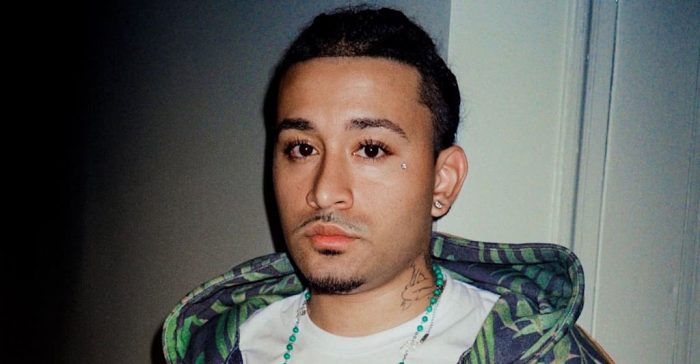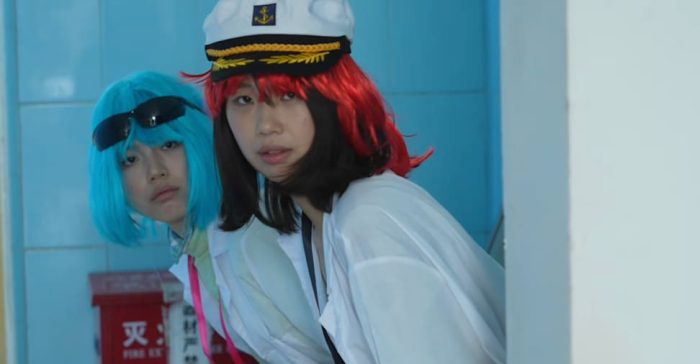


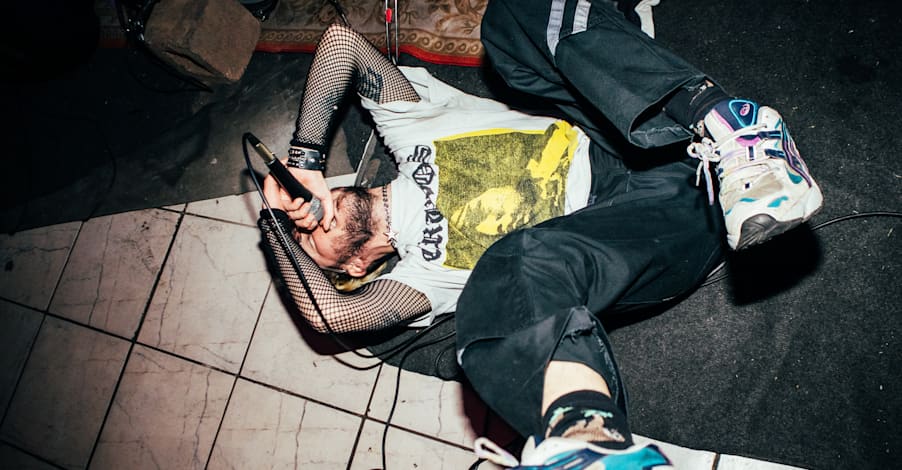
Segunda Mordida’s debut album MUNDO is a one-of-one digital-punk project that strangles listeners with aggravated samples, distorted guitars, and poignant neurosis. On his song “me cais como el pico de una forma que no te explico,” the Chilean artist-producer shouts depressively about the future in Spanish, “The TV people talk too much but say nothing/ They’re saving your future for tomorrow / Take my hand, let’s go for a walk / Say your goodbyes and plan your funeral.” Even though Segunda’s music may sound like it’s trying to kill you, or at least your eardrums, its lyrics suggest otherwise. The album, Segunda says, is his way of making sense of the frustration surrounding the aftermath of Pinochet-era dictatorship, which only ended in 1990.
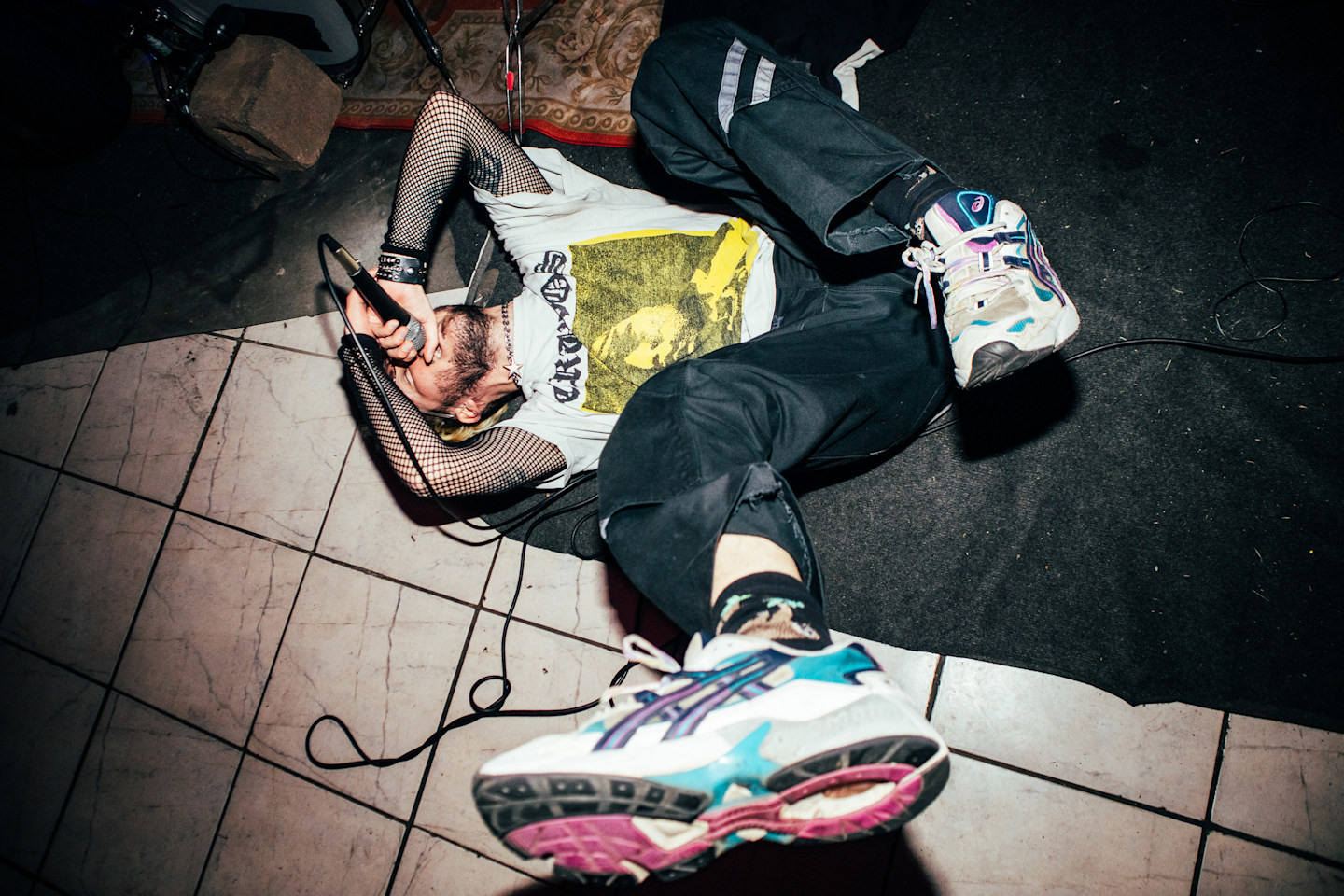
Even though the dictatorship is long over, trauma lingered in the vivid memories of the generations that lived it, and has been reified in a younger generation through subsequent years of severe economic inequality and the privatization of public systems. This turmoil left artists like Segunda Mordida with what he describes as a pervasive paranoia about the state of the world, evident in his lyrics and song titles.
Ten years ago, Mordida built his tight-knit label Medio Oriente and now sings to a cult-like fanbase of roughly a thousand monthly listeners who resonate with his anxious melodies so much that they’ll follow him to the outskirts of the city to party in abandoned train stations. Ahead, we called up Segunda Mordida to get to know the artist at the center of the Chilean punk underground to chat about the Santiago music scene, growing up in the shadow of Pinochet’s dictatorship, and remixing Tay-K songs.
Building a Scene in Santiago
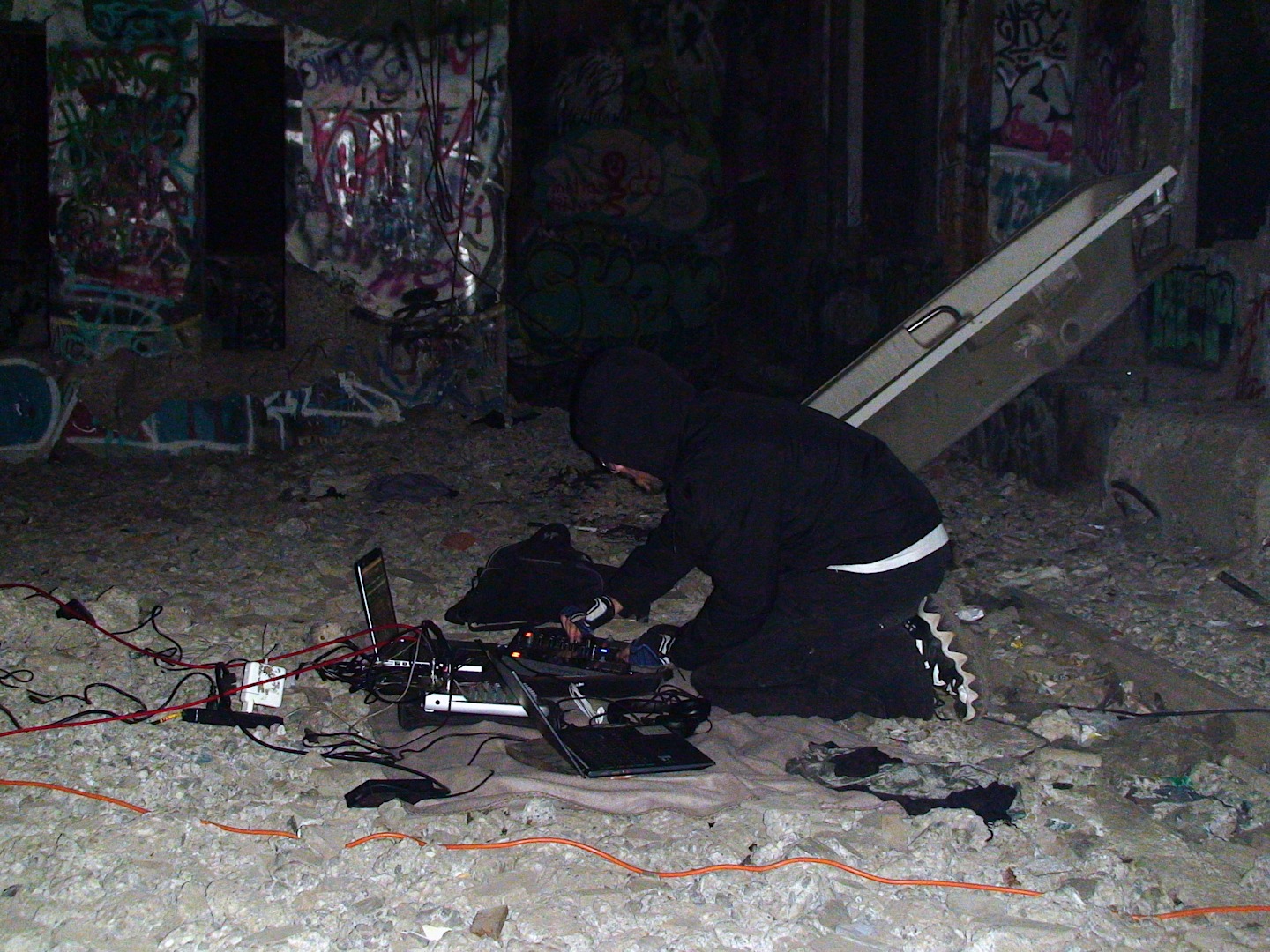
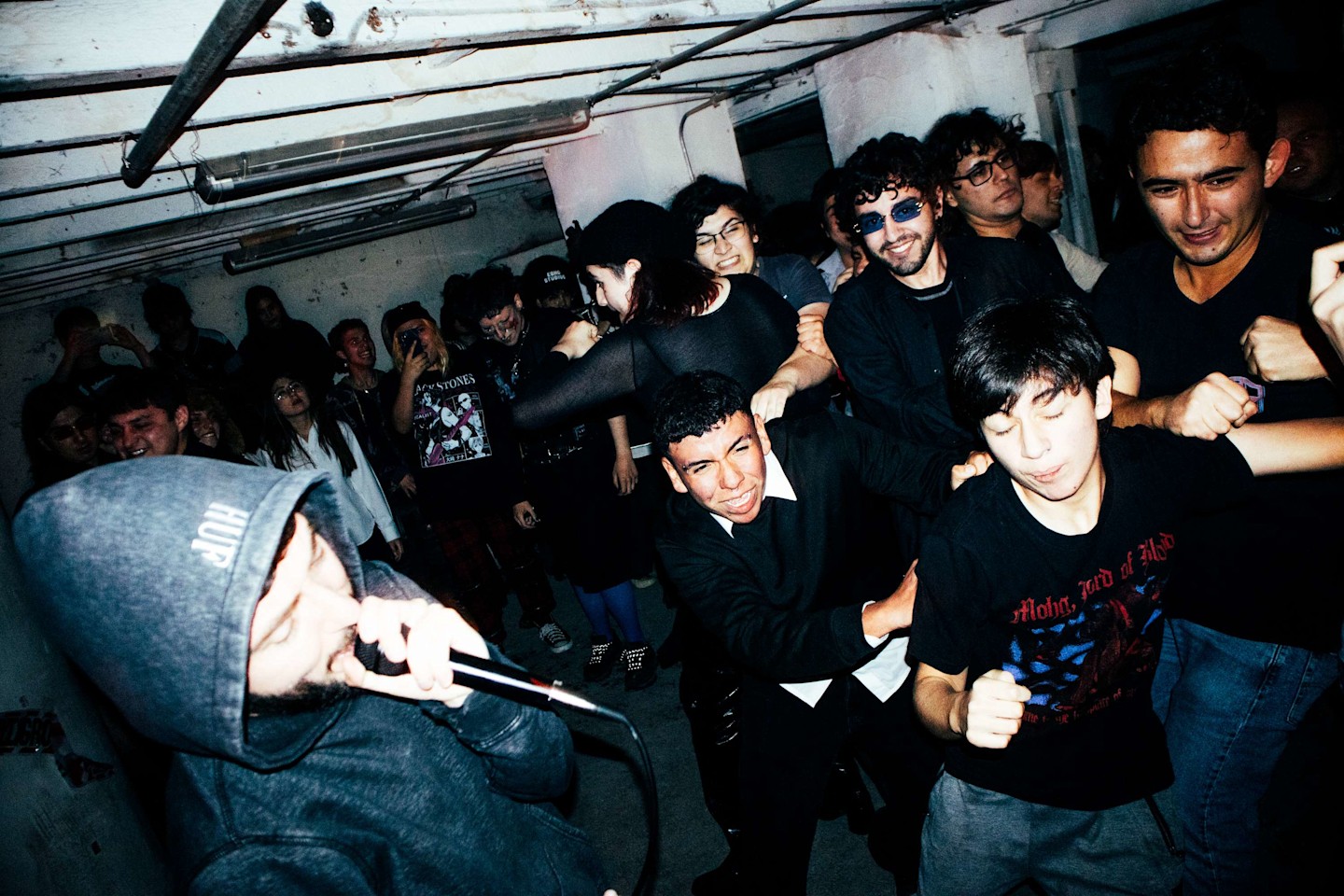
For Segunda Mordida, the road to establishing his sound has been a long, deliberate process. Having spent 14 years making music, he transitioned from ambient instrumental work to becoming a frontman, driven by a desire to hold the mic and perform live. The Santiago music scene, he notes, is often underestimated by outsiders, yet it remains a vibrant, albeit DIY, ecosystem. Because large venues are often reserved for major touring acts, artists like Mordida frequently host shows in unconventional spaces, such as abandoned train stations or warehouses, creating an intimate and sometimes eerie atmosphere for his audience.
The creation of MUNDO was deeply influenced by the political volatility of 2019. As protests swept through Chile, the looming fear of the past—specifically the Pinochet dictatorship—resurfaced. Mordida channeled this collective anxiety into his music, viewing it as a necessary outlet for the frustration felt by his generation. He emphasizes that while his music is an emotional release, it also serves to validate the discomfort of others in a turbulent political climate.
I think some negative feelings should be brought up in spite of what Chilean culture tries to tell you.
The Legacy of Chilean Activism
When discussing the foundations of Chilean music, Mordida points to legends like Víctor Jara, Violeta Parra, and Los Prisioneros. While these artists were explicitly activist-oriented, the current wave of Chilean musicians is defined more by a sense of shared frustration. The promise of prosperity following the end of the dictatorship never fully materialized for many, leading to a generation that is deeply skeptical of the status quo.
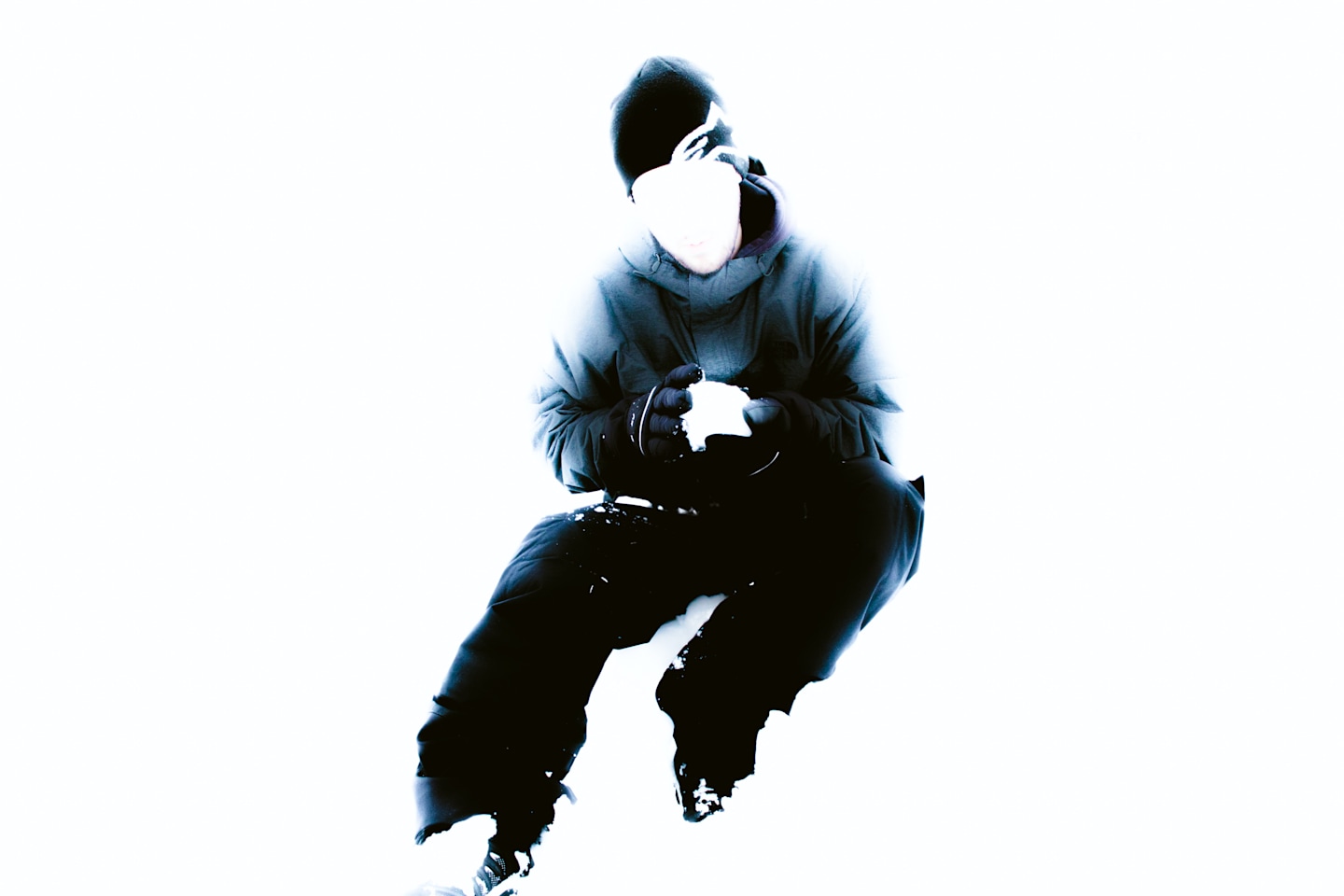
My personal discomfort can be other people’s discomfort, and we can all make sense of this craziness that is happening in the world.
Mordida also reflects on the evolution of the internet, noting how it shifted from a community-based space to a predatory, ad-driven environment. This loss of genuine connection, combined with the pressure to be constantly accessible, informs the digital-punk aesthetic of his work. Looking forward, he encourages listeners outside of South America to pay closer attention to the region. With a growing creative urge and a hunger for new sounds, he believes the Chilean underground is on the verge of a major breakthrough that will soon demand global attention.