

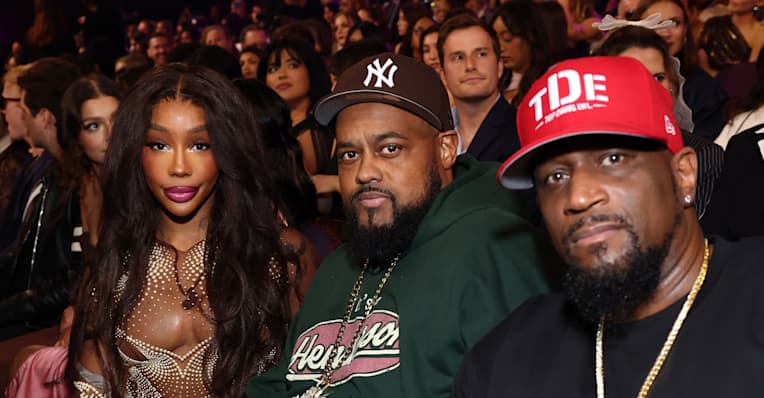
A prominent voice in the music industry is speaking out following a wave of staff reductions at one of the world’s largest music conglomerates. Terrence “Punch” Henderson, the president of Top Dawg Entertainment, has raised significant concerns regarding the recent Universal Music Group (UMG) layoffs, specifically highlighting the impact on Black leadership within the corporate music landscape.
On October 14, UMG confirmed that it was parting ways with several high-profile executives as part of a broader 2024 restructuring initiative. In response to the news, Henderson took to social media to voice his frustration, asking, “Where have all the black [people] gone in the music business??” He further emphasized the critical role of Black women in the industry, noting that they are often the first to be affected by such corporate shifts despite being foundational to the culture.
The black executive in music is getting removed and replace systematically. Black women are the first to go in these industry lay offs. Which is the biggest mistake. Black women is where everything dope in the culture comes from. They are the culture. Smh
— Punch TDE (@iamstillpunch) October 14, 2026
The concerns raised by Henderson are underscored by the departure of notable executives, including Tunji Balogun and Nicole Wyskoarko, both of whom are Black. Industry observers have noted that these exits occur against a backdrop of shifting market priorities. In recent years, investment in traditionally Black-led genres such as hip-hop and R&B has seen a decline, with major labels increasingly pivoting toward catalog management and emerging global genres like K-pop and country music.
This trend of corporate restructuring is not unique to UMG. Both Warner Music Group and Sony have undergone similar workforce reductions over the past few years. Warner Music Group, for instance, initiated a plan to cut 270 jobs in 2023, a figure that was later expanded to 750. These industry-wide changes are occurring amidst a challenging economic climate for major labels, driven by concerns over the impact of artificial intelligence on creative output and the stagnation of subscriber growth on digital streaming platforms.