


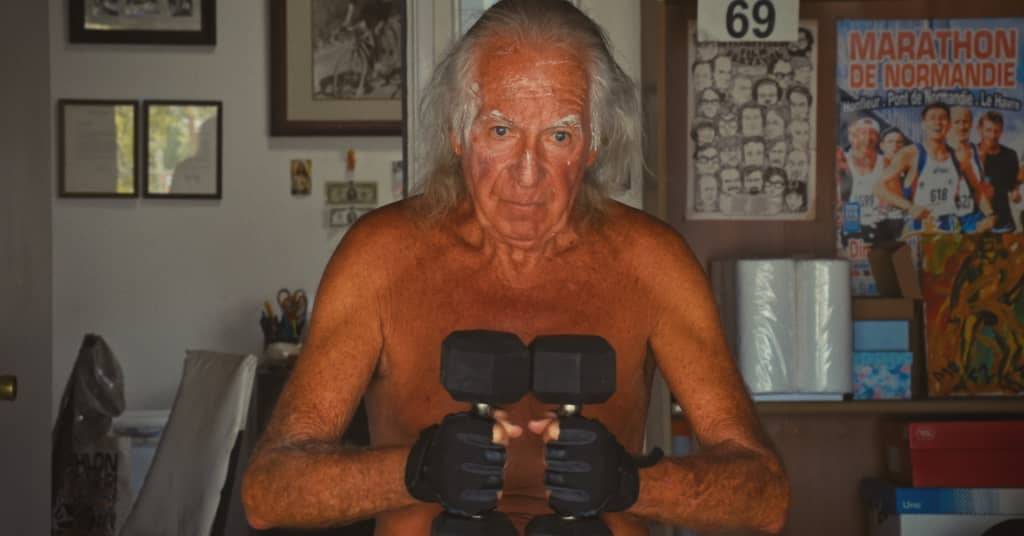
Neighbors is a show about people who live next door to each other in the same way Stevie Wonder is someone who plays piano. While the hit HBO docuseries explores the contentious dynamics of living in close proximity through real-life pairings across the U.S.—from Simi Valley, California, to Bloomfield, New Jersey—the show’s true focus is on collective neuroses as they spiral out of control.
Produced by A24 and Central Pictures, including the creative input of Josh Safdie, the series introduces directors Harrison Fishman and Dylan Redford to their broadest audience yet. The project traces its roots to a film fellowship in Miami, where the duo, alongside casting director Harleigh Shaw and Sam Fishman, began curating found-footage compilations of neighborly disputes. These early experiments in capturing the absurdity of public life eventually evolved into the polished, unsettling narrative of the current series.
The Anatomy of a Neighborhood War
The interpersonal conflicts featured in Neighbors often give way to a strange, voyeuristic intimacy. Watching the series feels like stumbling onto an alternate radio scanner of the country; instead of public safety dispatches, viewers are dropped into the middle of spiritual wars that seem entirely resolvable from an outsider’s perspective. It raises a haunting question: just how many neighborhood disputes are taking place in America at any given moment?
For Fishman and Redford, the pandemic served as a catalyst for these tensions. “Everyone was confined to their homes, which became their world even more than they once were,” Fishman explains. “It inflamed social interaction—even the small constraints of masks and social distancing.”
The Investigative Process
Casting for the show required a wide net. Harleigh Shaw notes that the team utilized everything from Craigslist and small claims court records to local Facebook groups and TikTok to identify their subjects. “There’s really no best or surefire place,” Shaw says. “The best method is having lines out everywhere.”
It makes sense why people are willing to fight with their neighbors. Your neighbor is a stranger. —Harrison Fishman
The directors admit that the process often felt like anthropology. While they initially set out to document these feuds, they often found themselves empathizing with the subjects. However, the financial stakes—lawyers, property disputes, and the high cost of home ownership—often made reconciliation impossible. As Redford observes, “When they were friends, maybe it was a point of empathy, but the second that shift happens, all of those personal stories become fodder for humiliation.”
Ultimately, Neighbors serves as a mirror to the American psyche, reflecting the fragility of community when property and ego collide. As the directors continue to explore these “neighbors from hell,” they remind us that while it is possible to have a friendly relationship with those next door, the thin line between neighbor and stranger is often closer than we care to admit.