


The Evolution of Kelela’s Sound
Kelela’s songwriting process is a deliberate, often painstaking journey of discovery. For the D.C.-born artist, the path to a finished track is rarely linear; it begins with abstract vocalizations that she must slowly decipher. “Oftentimes when I’m singing in gibberish over the instrumental, there are word sounds that come out,” she explains. “I am always deciphering on some level what it is that I’m trying to say. I do take a longer time to write lyrics than a lot of people because I’m trying to craft this type of meaning.”
Her latest project, new avatar, released in July 2026, represents the fastest recording process of her career. Produced primarily by Oscar Scheller, the album finds Kelela exploring what she calls her “White Bag”—a creative space where she updates and upcycles the alt-rock sounds that have shaped her musical identity. “It very much means something if you are somebody who’s appreciated many different types of genres,” she notes. “If you’ve always been into strictly guitar music, that’s not going to resonate.”
Finding Kinship in Incubus
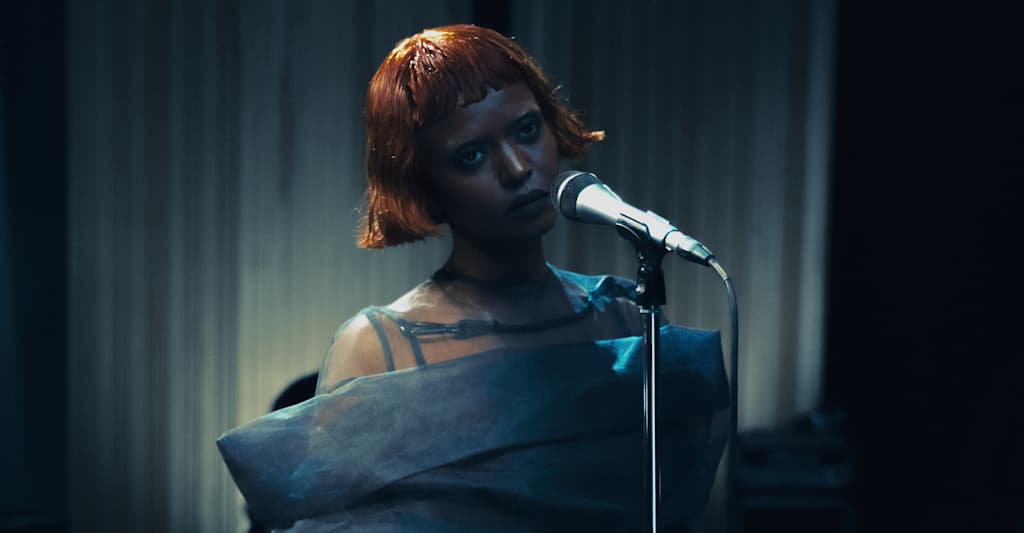
For her recent Spotify Live Room session, Kelela chose to cover “Mexico” by Incubus, a band whose 2001 album Morning View served as a formative gateway for her. “This record, I’ve discovered over the years, was a gateway record for a lot of us,” she says. “There’s something about the compositions that speak to a lot of Black people specifically.”

The process of covering the track allowed Kelela to explore new registers of her voice. “I just never processed how much I love imitating his [Brandon Boyd’s] stylings and approach,” she admits. “It’s the beauty of being able to cover other people’s compositions because you unlock a new part of your own voice.”
Genre, Race, and the Industry
When asked about the industry’s obsession with genre, Kelela is blunt: “Because of racism.” She argues that the foundations of American popular music are inextricably linked to the Jim Crow era. “R&B was called race records, like literally,” she points out. “What we are witnessing over time is just like these really rigid, fucked up, racist lines being interpreted and named in newer, nicer, less offensive terms.”
For Kelela, understanding these origins is essential for any artist navigating the current landscape. She cites works like Amiri Baraka’s Blues People as vital reading for those who want to understand the true history of the music industry. By grounding her work in this historical awareness while pushing the boundaries of sound, Kelela continues to create music that is as complex and multifaceted as the life experiences she seeks to capture.