


Looking back, Kuru admits that his life felt like a chaotic blur during the recording of his previous project, re:wired. Fresh out of high school in 2022, the Maryland native found himself navigating college life in Nashville while struggling to adapt to a new recording environment, all while processing the lingering psychological weight of the pandemic. He describes that period as a form of “cyber-like mental stasis,” a theme that defined his early work as he sought to find his footing.

Fast forward to his latest release, Backstage hologram, and it is clear that Kuru has entered a more confident chapter of his career. The album serves as a masterclass in genre-blending, pulling from the rhythmic sensibilities of jerk rap, the melodic textures of J-Pop, and the distinct energy of DMV hip-hop. Building on the momentum of 2025’s Stay true forever and his ongoing collaboration with the Too Many Strikers crew, Kuru’s electronic-inflected sound has reached a new level of precision.
Refining the Process
For Kuru, the creation of Backstage hologram was an exercise in patience and intentionality. Tracks like “FW19” required multiple re-recordings to ensure every bar hit with the intended impact. “Sometimes you just hear something, and it’s like, ‘oh, I already know how this is gonna go,'” he explains, noting that his reliance on Ableton allows him to treat his production like a puzzle, punching in vocals until the mix feels seamless.
Rejecting the Digicore Label
Despite the electronic elements in his music, Kuru is quick to push back against being labeled as “digicore.” While he acknowledges his role in the internet-based music scene, he feels the term fails to capture the nuance of his influences. “I don’t think the sound fits it,” he says. Instead, he points to the melodic influence of Japanese artists like Hikaru Utada and the group Perfume as the true architects of his sound, combined with the raw, percussive energy of the DMV.
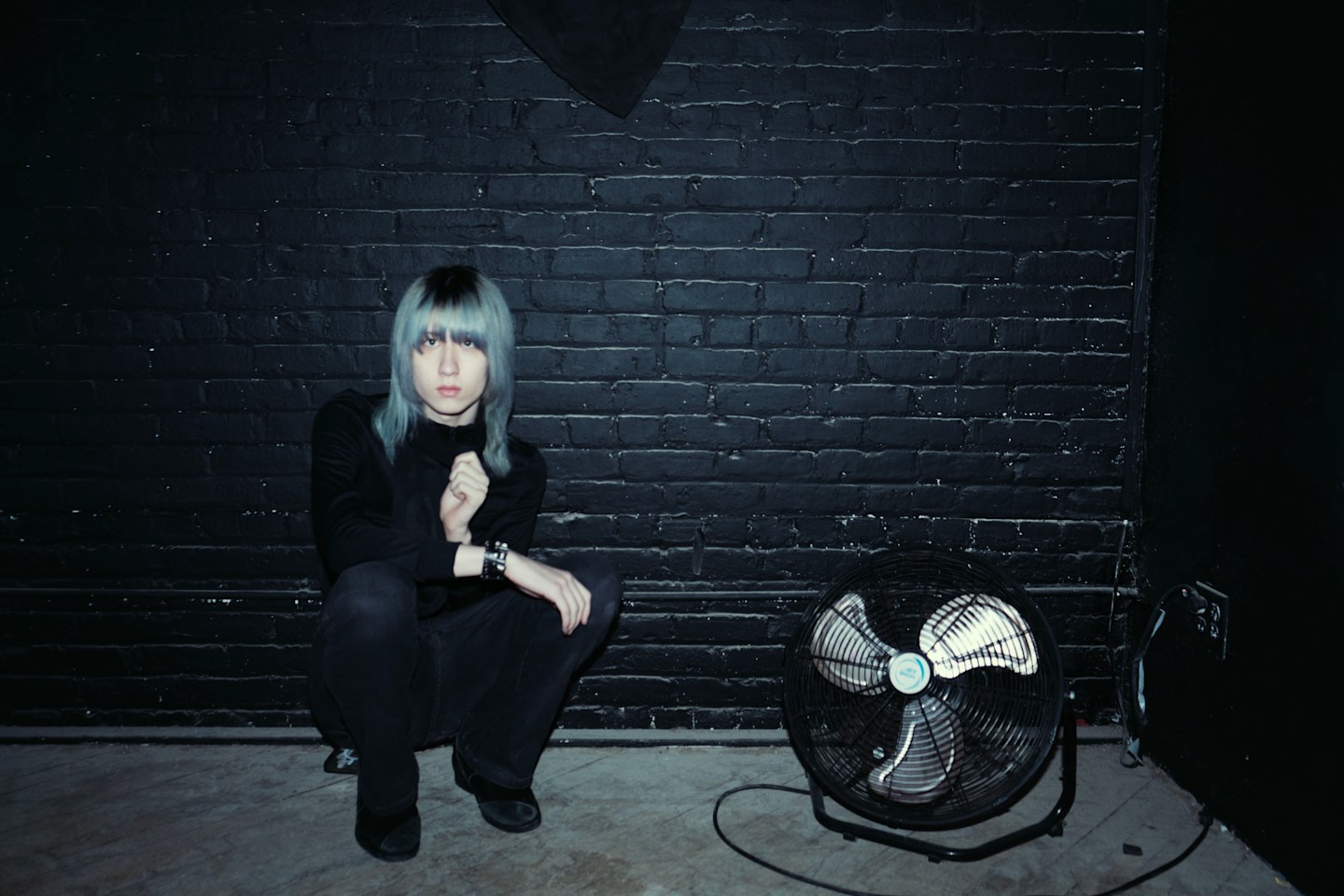
Ultimately, Kuru’s growth as a lyricist and vocalist is rooted in his ability to synthesize these disparate worlds. Whether he is working with the Too Many Strikers collective or refining his own production, he remains focused on pushing his sound forward, leaving the restrictive genre tags behind in favor of something more personal and enduring.