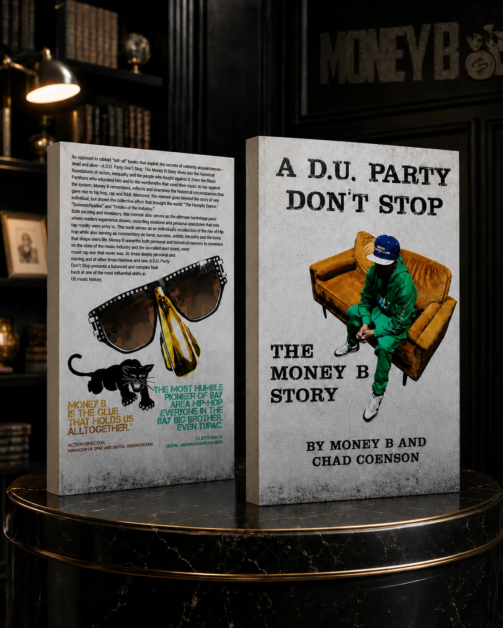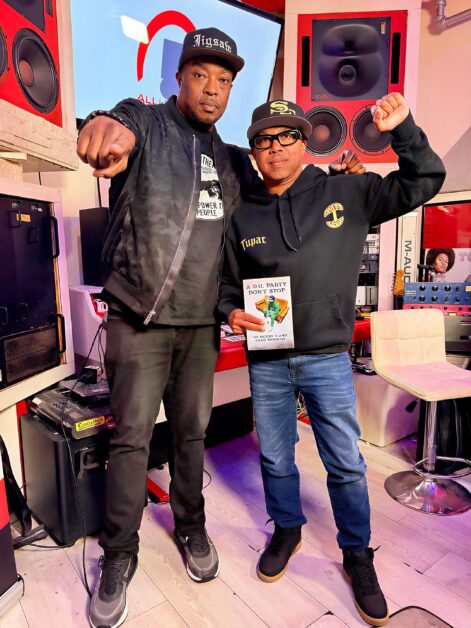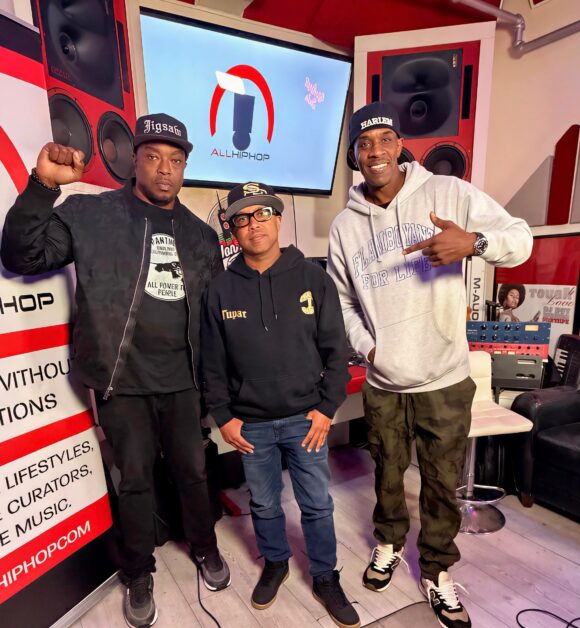


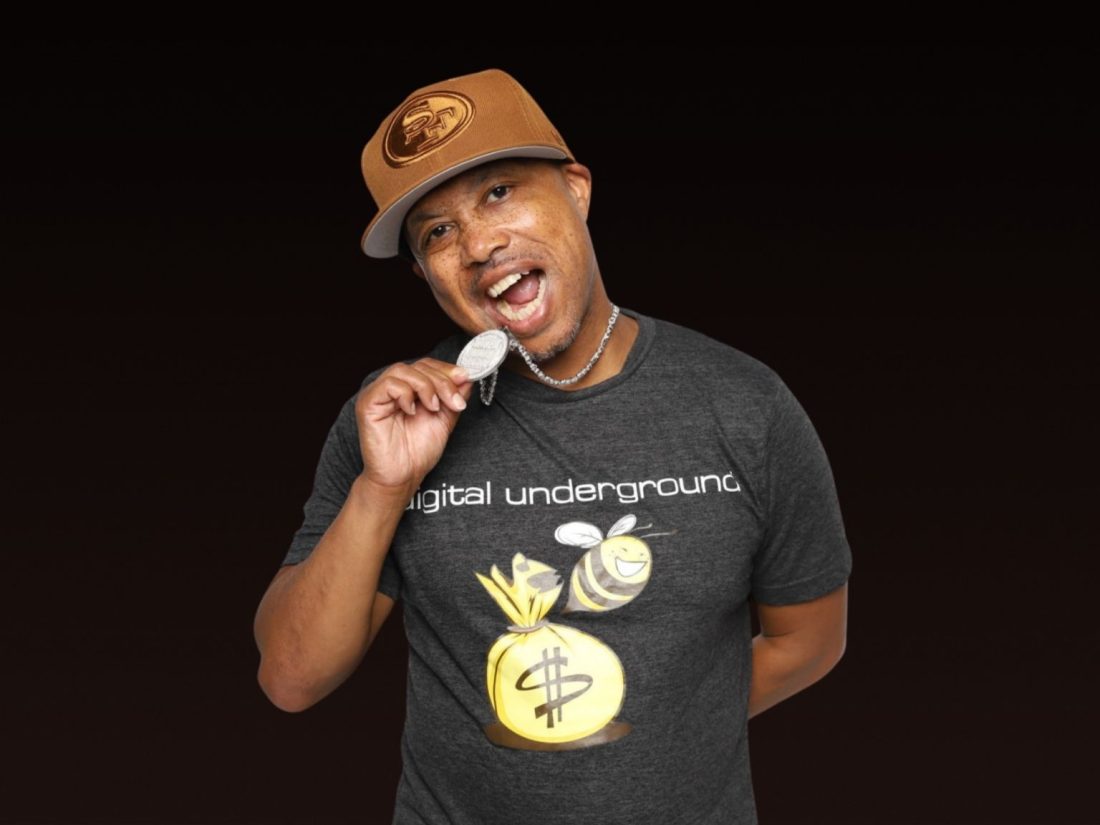
Before Tupac Shakur became a global icon and Digital Underground transformed into a household name, a collective of young artists in Oakland was busy crafting a unique path in Hip-Hop. Money B, a veteran MC and founding member, offers an intimate look at this era in his new memoir, A D.U. Party Don’t Stop: The Money B Story. In a candid discussion, he revisits the creative triumphs, internal tensions, and the untold history that defined one of the most influential groups in the genre.
The Roots of a Collective
Money B’s journey began with a foundation in activism. Raised in the Bay Area by parents who were members of the Black Panther Party, he attended the Oakland Community School, where he was personally mentored by figures like Huey P. Newton. This upbringing instilled in him a sense of inquiry and social consciousness that would later permeate the music of Digital Underground. While the group is often remembered for its party anthems, Money B emphasizes that there was always an underlying message of unity and social awareness.
The group’s formation was organic, born from a need for collaboration. Money B recalls meeting Shock G when the latter was working with Chopmaster J. After a meeting involving DJ Fuze, the pieces fell into place. “We were literally Wu-Tang before Wu-Tang,” Money B explains, noting that the collective was designed to help every member launch their own projects and deals.
The Rise of Humpty Hump and Tupac’s Entry
One of the most fascinating aspects of the group’s history is the meteoric rise of Shock G’s alter ego, Humpty Hump. While the character brought massive commercial success, it also created friction. Shock G, a brilliant musician, eventually felt pigeonholed by the character’s popularity. “There became a point where Humpty was bigger than the entire group,” Money B notes. “Shock was such a great musician, and he wanted to be recognized for that.”
Regarding the entry of 2Pac into the group, Money B clarifies that it wasn’t a calculated move to recruit a star, but rather a natural progression. Tupac was already a solo artist signed to the same label, TNT Records, and was a frequent presence at their hangout spots in Oakland. When the group prepared for their first U.S. tour, they brought him along to assist with various roles, from dancing to stage production. Their shared background as “Panther Cubs” created an unspoken bond, as Tupac’s political messaging resonated deeply with Money B’s own upbringing.
Setting the Record Straight
Money B also addresses some of the more persistent rumors surrounding his time with the group, including a viral photograph of himself and Tupac. He dismisses the speculation, explaining that during tours, group members were often assigned roommates, and he and Tupac frequently shared rooms. He views the rumors as a distraction from the actual history of the group, which was defined by hard work, creative experimentation—such as their infamous performance at the Apollo Theater—and a shared commitment to the craft of Hip-Hop.