

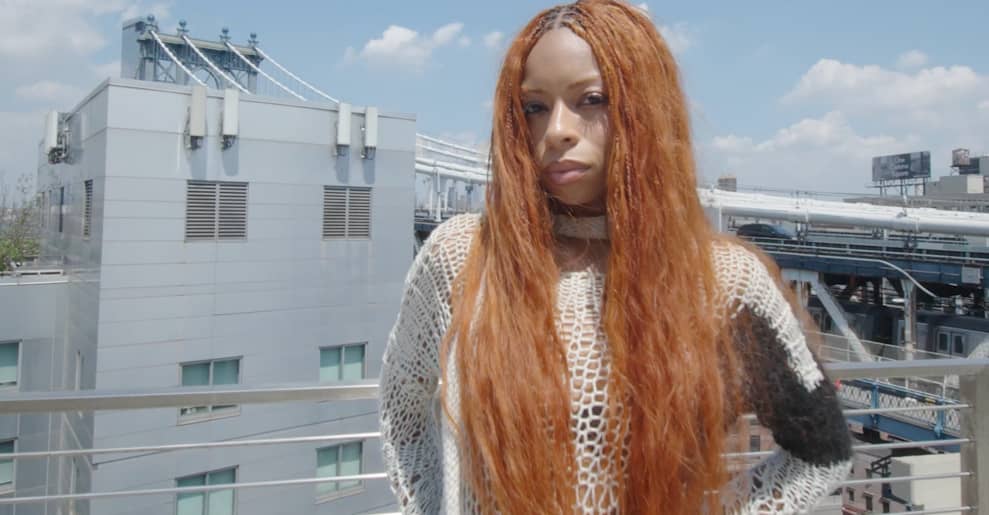
In the two years since her cover story for The FADER, a lot has changed for Ravyn Lenae. Her third studio album, Blue Island, finds the Chicago-raised singer-songwriter stretching her adventurous sonic range even further than before, drawing on everything from rock to Prince to Italodisco as she unpacks the dramatic shifts in her life. Ravyn Lenae wants her music to fly free, rejecting the rigid boxes that the industry often attempts to place around Black artists.
Reflecting on Growth and Identity
Three months after she graced our cover, her second studio album Bird’s Eye arrived to critical acclaim, eventually leading to her first charting hit with “Love Me Not.” The song’s massive success brought a new lens of visibility and scrutiny, forcing the artist to ask herself hard questions about her identity and the type of music she wants to create. “There was a new lens on me, a new visibility, and new questions around my identity,” Ravyn explains. “It really made me look at myself and ask myself hard questions about what type of artist I want to be.”
The Creative Process Behind Blue Island
Executive produced by Dahi, Blue Island serves as a deep exploration of Ravyn’s life as a daughter, sister, and lover. The album title, named after a place in Illinois, represents a mystical point of arrival. For Ravyn, the project is about reconciling the changes in her career and making peace with her desire to blend worlds. She notes that she is someone who likes to go against the grain, and this album stands as a testament to that artistic conviction.
Reflecting on her roots in Chicago, she highlights the importance of growing up in a culturally rich space. “Being able to grow up in such a culturally rich, Black space was important for me,” she says. This foundation, combined with an early introduction to eclectic artists like Outkast, Pharrell, and Kelis, helped shape her unique sound.
Navigating the Industry
Discussing the evolution of the music industry, Ravyn observes that while the landscape has become more daunting, it also offers more freedom for outsiders. She points to the success of artists like Charli XCX and Lorde as evidence that there is now space for those who choose to forge their own paths. When asked about genre labels, she remains firm: “It’s all racial. And that’s why I try to reject all of it in a way, because I don’t think that’s fair. It’s a disservice to Black culture, Black art as a whole, for us not to be able to just fly free.”
As she continues to evolve, Ravyn Lenae remains committed to her artistic truth, using her music as a therapeutic space to process her experiences and connect with her audience on a deeply personal level.