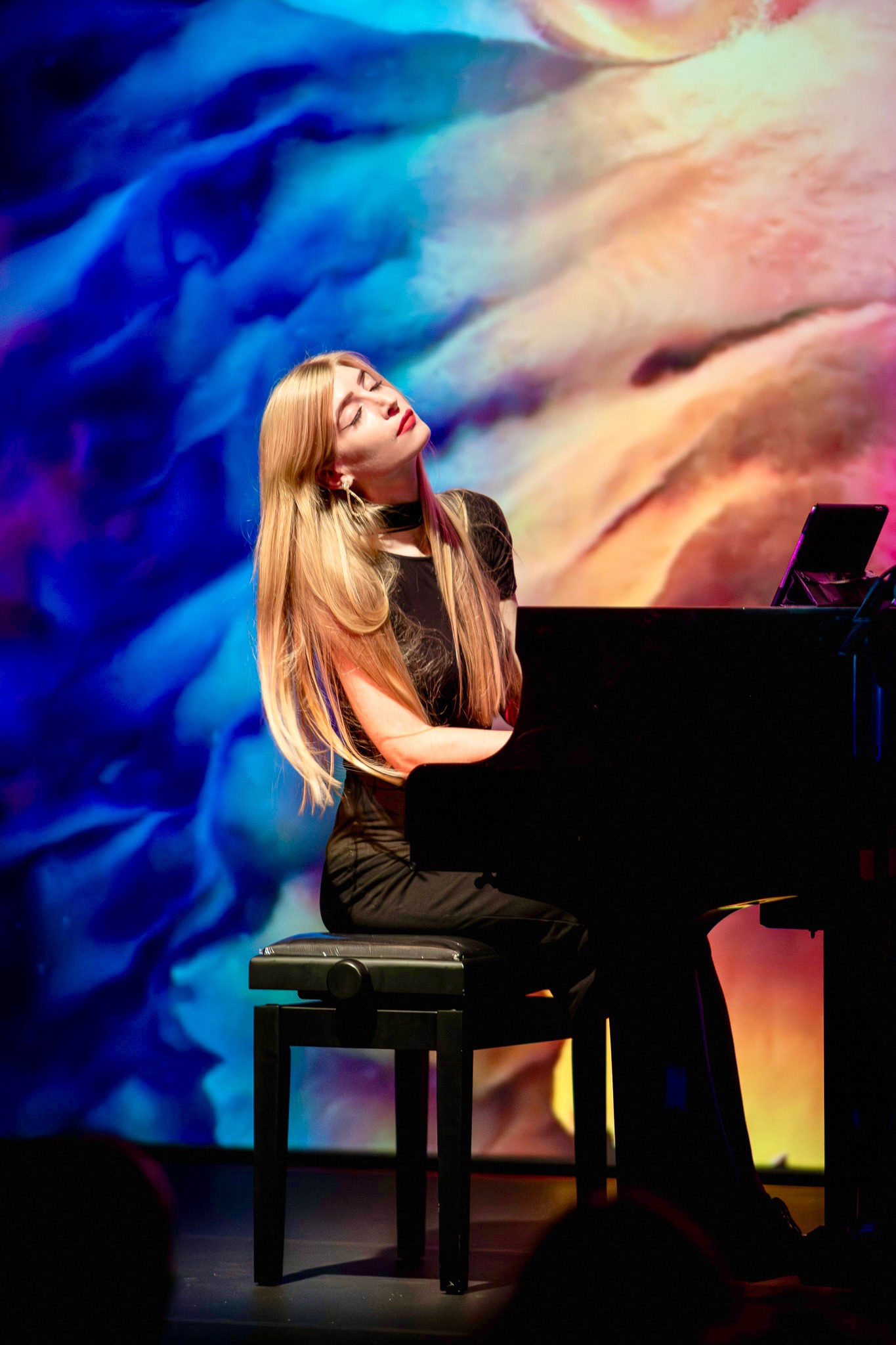


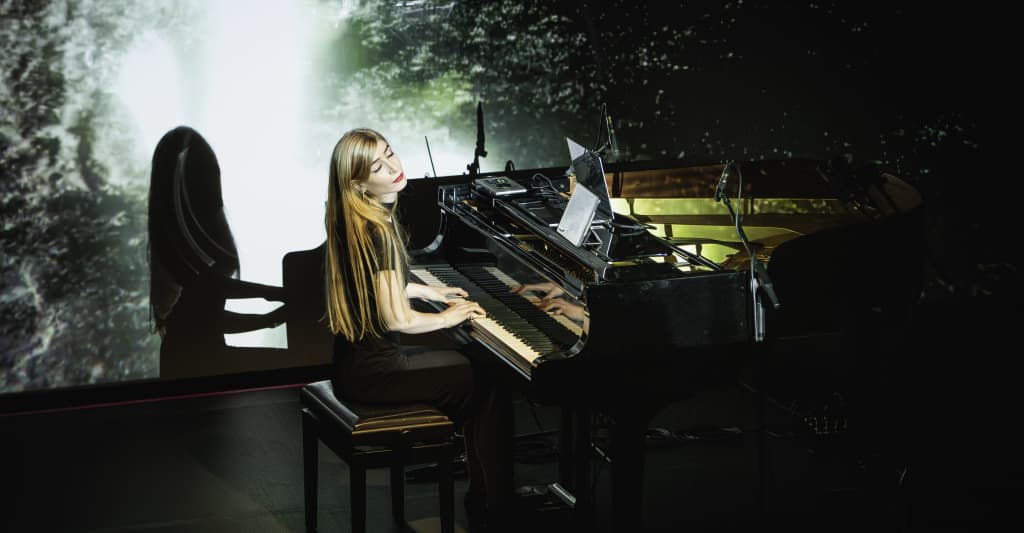
Kelly Moran has been a pianist since her childhood in the far-flung suburbs of Long Island. When she was 12, after five or six years of training, her first part-time job was accompanying a local vocal teacher during informal musical therapy sessions. That early experience not only proved to Moran she could make a career out of playing, but more importantly, it instilled in her the belief that music could heal.
Her recent albums Don’t Trust Mirrors (2025) and Moves in the Field (2024) trace their inspiration back to pandemic-era uncertainty, but Moran’s experiments with the Disklavier and prepared piano feel transcendent rather than merely therapeutic. The arpeggios of “sodalis (II)” and “Systems” ebb and flow through harmonics in a deliberate pursuit of catharsis.
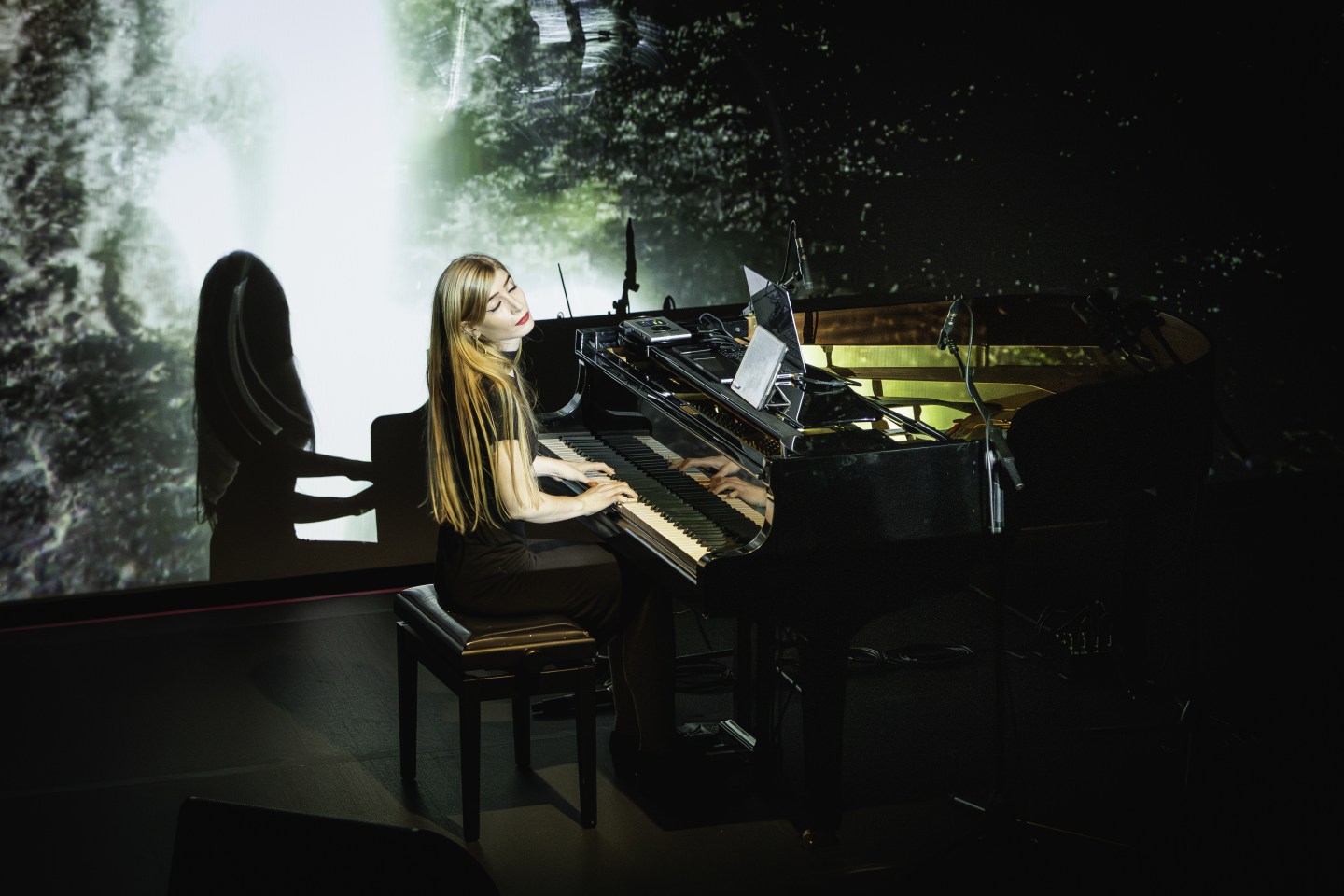
Though her avant-garde piano compositions are studied and deliberate, Kelly Moran possesses an obvious appreciation for the silly, the sublime, and the pop-adjacent, whether she is discussing the festival rave circuit or Tate McRae. She is also a dedicated figure skating fan, having previously contributed a Winter Olympics roundup to our pages.
Moran’s touring schedule remains robust. She has previously toured with Oneohtrix Point Never and performed with FKA Twigs alongside Lucinda Chua. As she continues to navigate her career, she maintains a philosophy of patience, often citing the motto: “The time will pass anyway.” It is a reminder that good things take time to develop, a sentiment that resonates deeply within her intricate, patient compositions.
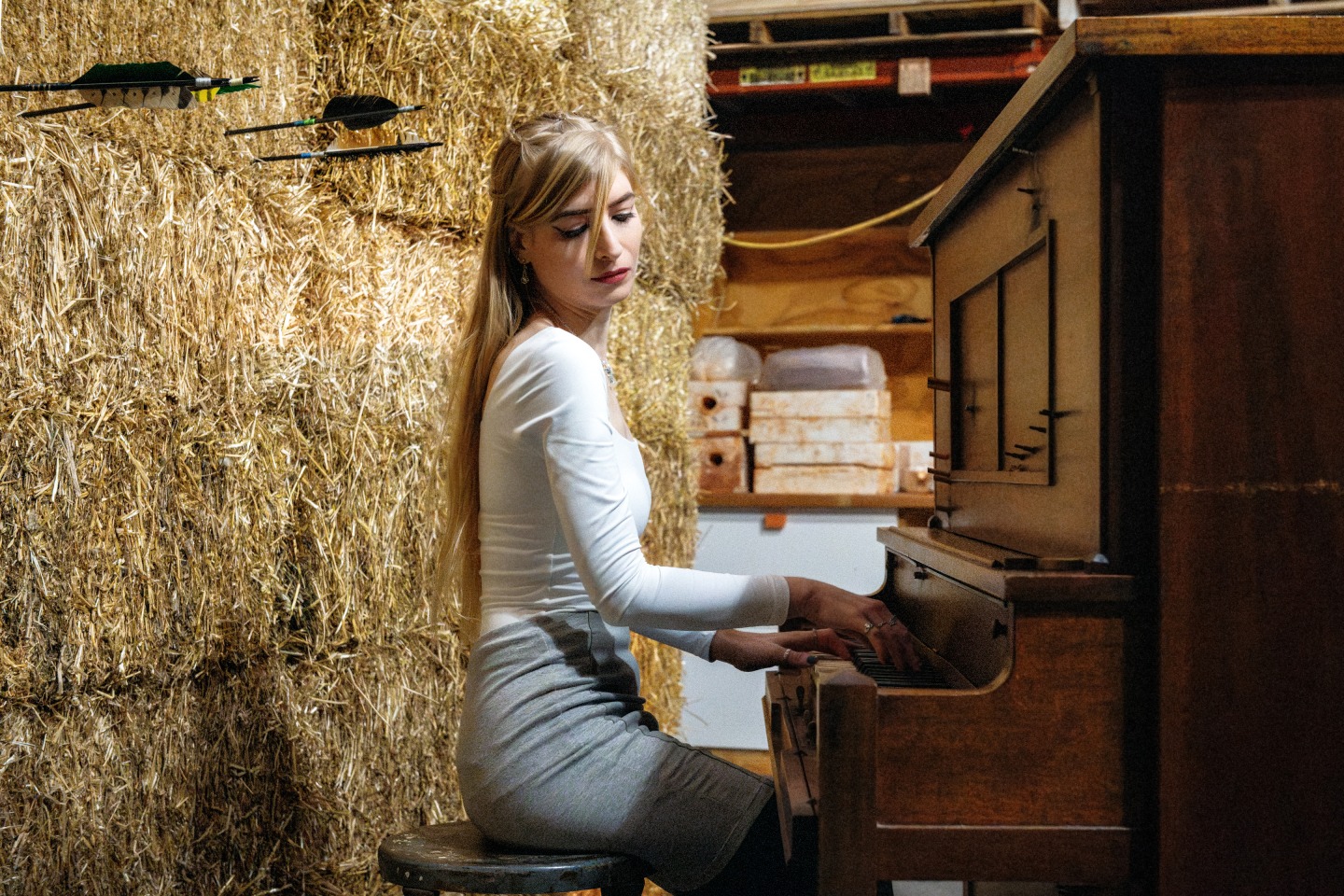
When asked about her ideal level of fame, Moran is refreshingly pragmatic. “My ideal level of fame is being well-known enough in your field that you’re always working and never have to worry about income,” she explains. “I just want to make enough money that I have absolutely no fear of taking my senior cat to the vet.”
Whether she is discussing her “Labubu trauma”—a humorous yet harrowing tale of toy theft while on tour—or her love for the music of No Doubt and Gwen Stefani, Moran remains a singular voice in modern classical music. Her ability to balance the technical demands of avant-garde composition with a grounded, human perspective is what makes her work so compelling.