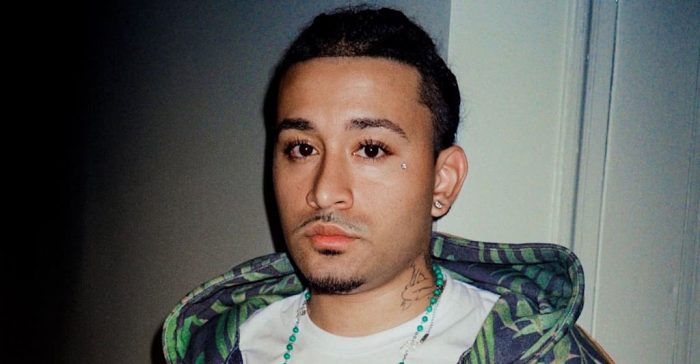


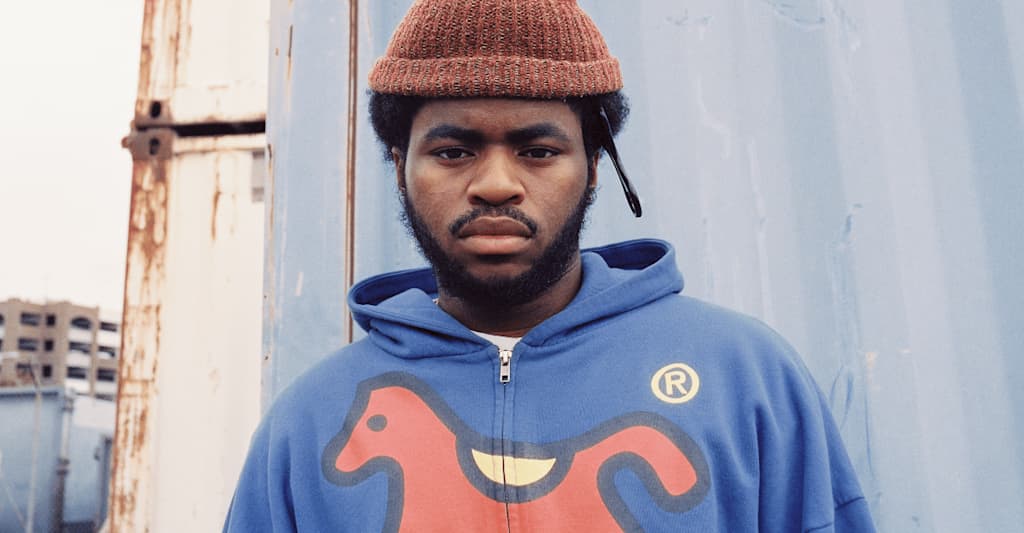
Rapper-producer Ovrkast is currently navigating a significant legal challenge after Outkast filed a lawsuit against the East Oakland native for trademark infringement. The core of the dispute centers on the similarity between their artist names, a conflict that has escalated just weeks before the scheduled release of Ovrkast’s upcoming album, STRIKING, on October 9.
In a statement provided to Rolling Stone, Ovrkast addressed the controversy, noting, “I have never had any intention of trying to copy, misrepresent or confuse fans with the name of such a legendary act.” The artist has maintained that his moniker, a play on the word “overcast,” was established in 2015 as part of his involvement with the collective “Weather Boyz.”
The Legal Conflict Over Verbal Agreements
The 31-page complaint, filed in federal court on September 16, outlines a timeline that began with a cease and desist letter sent by the iconic Atlanta duo in June 2025. According to the filing, the parties engaged in negotiations that allegedly resulted in an agreement for the younger artist to modify his name. However, the situation remains contentious because Ovrkast never signed the finalized paperwork.
**For the record, I NEVER signed any agreement. I tried my hardest to cooperate with different options every step of the way. This narrative that I’ve done wrong is also wrong. (had to clarify) peace. — Ovrkast. (@ovrkast) September 23, 2026
The lawsuit alleges that Ovrkast initially agreed to transition to the name “Overkxst” by July 15, 2026. Complications arose when, just two days before the deadline, the artist sought to renegotiate the terms, proposing names that had previously been rejected by the plaintiffs. This impasse ultimately led to the current litigation.
Trademark Infringement and Contractual Validity
The legal action, brought by High Schoolers LLC—the holding company owned by Big Boi and Andre 3000—covers claims of trademark infringement, unfair competition, and breach of contract. The latter claim presents a unique legal hurdle: the court must determine whether a verbal agreement reached during negotiations constitutes a binding contract in the absence of a formal signature.
The outcome of this case may hinge on how the court interprets previous public statements made by Ovrkast regarding his name. While the artist has suggested that any confusion is a result of fans misreading his name rather than intentional brand imitation, the legal system will ultimately decide if the alleged verbal agreement holds weight. For now, the industry watches closely as this clash between a hip-hop legacy and an emerging talent unfolds.