

Following a transformative primary election in New York City, the intersection of grassroots activism and the arts has never been more apparent. As progressive candidates and Democratic Socialists of America (DSA)-backed figures secure significant victories, the city’s music community—long a vital social and political constituency—is looking toward a future defined by structural support. From nightlife hubs like Silo in Bushwick to the grassroots efforts of candidates like Claire Valdez and Brad Lander, the city’s creative pulse is increasingly aligned with a new wave of governance.
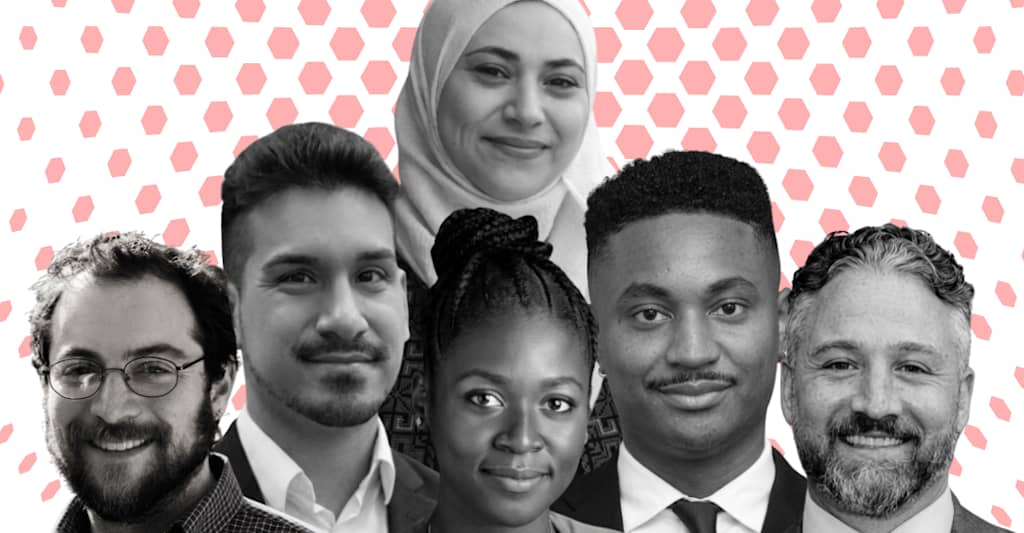
The FADER reached out to a slate of these incoming and established leaders to discuss what specific policies are necessary to ensure the city’s music scene continues to thrive.
Chi Ossé (Council Member, City Council District 36)
Council Member Chi Ossé, a champion of the Fairness in Apartment Rental Expenses (FARE) Act, emphasizes that the most pressing need for the creative class is housing. “NYC’s music community needs artist housing: deeply affordable housing set aside for NYC creatives,” Ossé notes. To celebrate his recent political successes, he has been listening to “Crown on the Ground” by Sleigh Bells.
Aber Kawas (Democratic Nominee, New York State Senate District 12)
For Aber Kawas, the path forward is a matter of fiscal priority. “Simple: tax the rich and fund the arts in public schools,” she states. Kawas, who has been celebrating her nomination with Olivia Dean’s cover of “You’ve Got a Friend,” views the arts as a fundamental public good.
Eli Northup (Democratic Nominee, New York State Assembly District 69)
Eli Northup, a former musician himself, advocates for the protection of small venues. “We need to be supporting small venues that give opportunity to emerging artists,” he says, citing staples like Pianos and Arlene’s Grocery. He also highlights the necessity of the New York Health Act to provide universal healthcare for artists.
Phara Souffrant Forrest (Assembly Member, New York State Assembly District 57)
Assembly Member Phara Souffrant Forrest points to the Fair Share Act (A8953) as a critical mechanism for funding the city’s creative life. By enacting a surcharge on high earners, she argues the city can better support affordable housing and transit, ensuring artists can remain in the communities they helped build.
Brian Romero (Democratic Nominee, New York State Assembly District 34)
Brian Romero emphasizes the urgent need for technological regulation. “We absolutely need to pass legislation to regulate AI to protect the music industry from copyright infringement,” he asserts.
David Orkin (Democratic Nominee, New York State Assembly District 38)
David Orkin, an attorney for immigrant workers’ rights, highlights the precarity of gig work in the arts. He advocates for stronger labor laws for independent producers and performers, as well as commercial rent stabilization to ensure venues can remain in their neighborhoods. “Arts workers are workers,” Orkin concludes, “and what this race proves is that workers win when they organize.”