

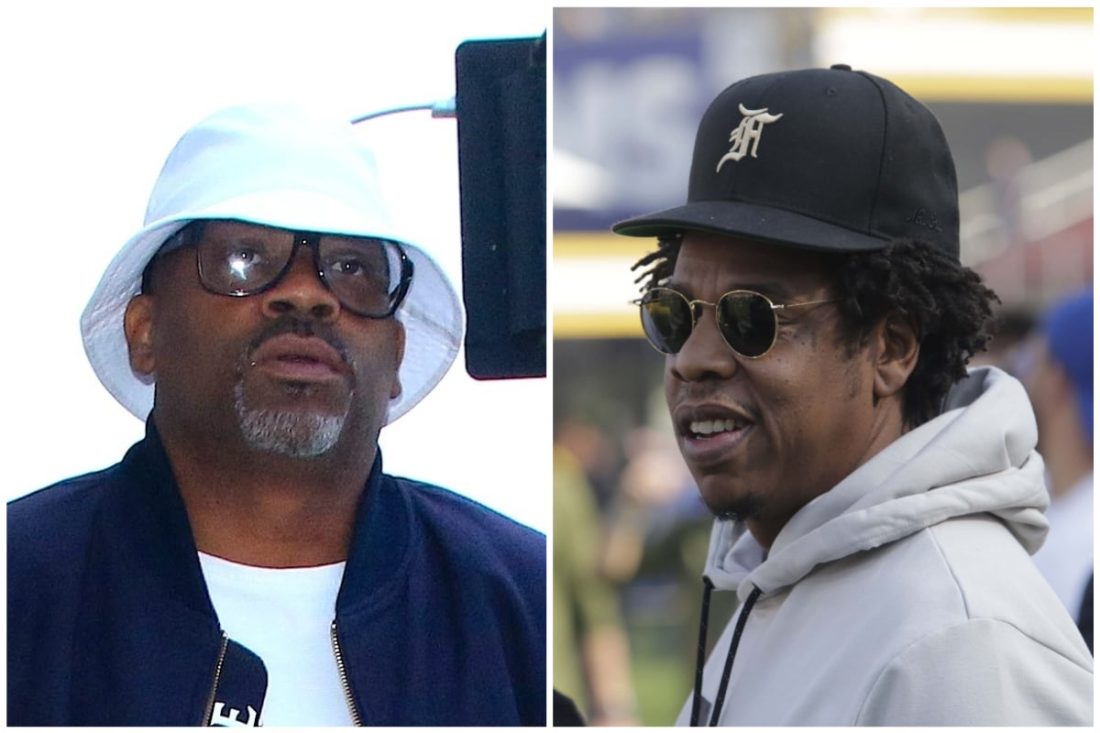
Dame Dash continues to keep the conversation surrounding Jay-Z alive, though perhaps not in the way the rap mogul might prefer. The Roc-A-Fella Records cofounder has consistently ensured his former partner’s name remains a focal point of his public commentary. His latest critique, directed at the 30th-anniversary rollout of the seminal album Reasonable Doubt, has ignited a fresh debate regarding the legacy of the label and the authenticity of modern marketing.
At the heart of the dispute is the New York City subway campaign currently promoting the anniversary of Jay-Z’s debut project. Dame Dash’s argument is rooted in his recollection of the mid-1990s, a time when he claims the Roc-A-Fella team was actively avoiding the subway system. He contends that the imagery of the campaign—which features the album plastered across stations and trains—clashes with the lifestyle and image the group projected during their rise to prominence. For Dash, the campaign feels disconnected from the reality of their experience at the time.
However, the strategy behind the campaign is difficult to ignore from a business perspective. The subway remains one of the most effective advertising platforms for reaching millions of New Yorkers daily. While Dash argues for a more authentic representation of the 1996 era, the reality of modern MARKETING often prioritizes visibility and scale. By placing the album’s imagery in the transit system, the campaign ensures that Reasonable Doubt remains at the forefront of the city’s cultural consciousness.
The public response to Dash’s critique has been swift and largely critical, with many observers challenging his perspective on social media. Despite the backlash, Dash appears unfazed, seemingly embracing the engagement that these controversies generate. In the digital age, keeping one’s name in the headlines is a currency of its own.
Ultimately, Dash did raise a point that resonates with many hip-hop historians: Reasonable Doubt is as much his legacy as it is Jay-Z’s. The label was built by the collective efforts of Jay-Z, Damon Dash, and Kareem “Biggs” Burke. Regardless of the personal and professional fractures that eventually dismantled the empire, the foundational contributions of all three men remain an indelible part of hip-hop history.