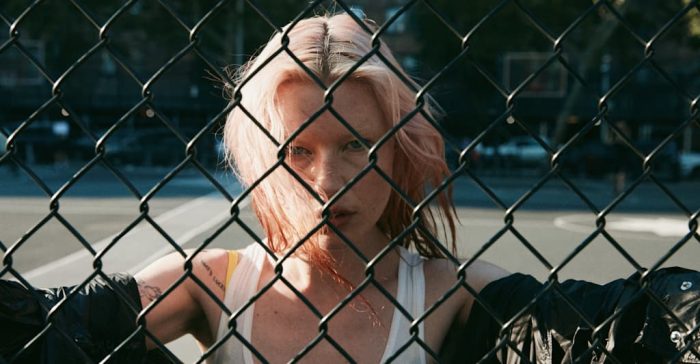


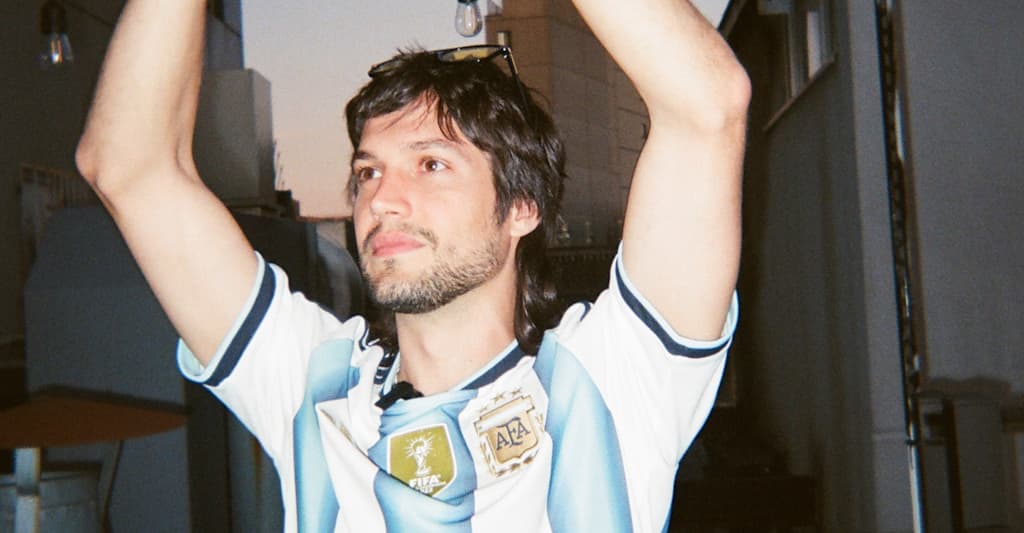
New York City has long been described as the ultimate melting pot, but during the 2026 World Cup, that sentiment took on a tangible, rhythmic energy. As the city hosted the global tournament, the streets of the Bronx, the quiet corners of Bay Ridge, and the bustling avenues of Manhattan became a living map of the world. In an ambitious project to capture this moment, we tracked down one person from every participating World Cup country currently calling New York home.
From climate scientists and dancers to bakers and musicians, these 48 individuals shared stories that transcended the pitch. Whether they were from Curaçao, Ecuador, Haiti, or New Zealand, a common thread emerged: the beautiful game acts as a vital bridge between their heritage and their chosen home. For many, soccer is more than a sport; it is a language of community, a vessel for national pride, and a way to feel seen in a city of 8.5 million people.
The Unifying Power of the Beautiful Game
For many interviewees, the World Cup provided a rare, galvanizing moment. Michael, a musician from Haiti living in Dumbo, noted that the tournament offered a level of unity his country hasn’t seen in years. Similarly, Saif, a lawyer from Baghdad, described the emotional weight of hearing the Iraqi national anthem on American soil for the first time in decades. “It’s something I hadn’t seen in over 20 years,” he shared. “There’s a big community here, and I wanted to stop everyone and say, ‘I’m Iraqi too.'”
This sentiment was echoed by fans from nations like Cabo Verde and DR Congo, where the tournament served as a platform to challenge negative narratives and celebrate cultural identity. For others, like Alessi from Austria or Vienna from New Zealand, the tournament was a chance to connect with their roots while navigating the complexities of life in a foreign metropolis.
New York as a Global Stage
The interviews also revealed why these individuals chose New York as their home. For many, the city’s “butterfly effect”—the idea that one chance meeting at a party or a park can alter the course of your life—is what makes it special. As Juan, an actor from Argentina, put it, “The best thing about New York is leaving. Once you leave, you’re like, ‘Holy shit, I miss my city.'”
Whether it was the shared experience of watching matches in local bars or the simple act of finding a piece of home in a neighborhood deli, the 2026 World Cup highlighted the resilience and diversity of New York. As we look back on these conversations, it becomes clear that while the world may feel fractured, the shared experience of the game—and the city that hosts it—remains a powerful force for connection.