

The Rise of the Ruff Ryders
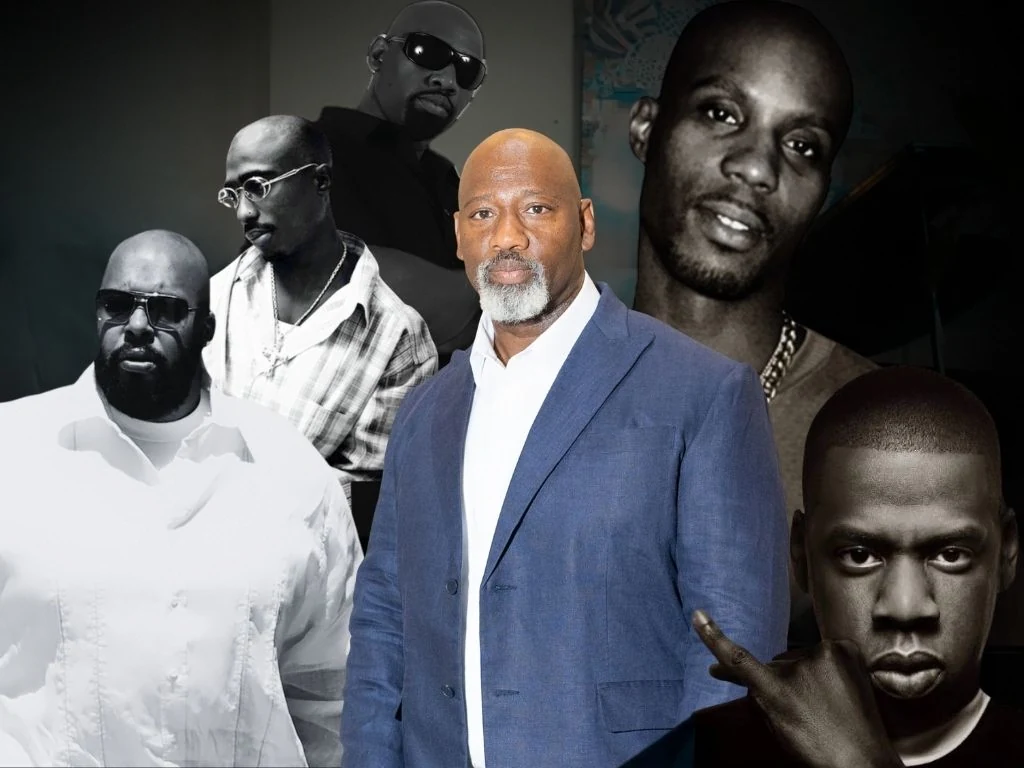
Before DMX became a global icon and the Ruff Ryders movement redefined the sound of New York, there was Joaquin “Waah” Dean. Alongside his siblings, Dean built a powerhouse label that brought a raw, uncompromising energy to the mainstream. The label’s historic 1998 breakthrough, anchored by the back-to-back No. 1 albums It’s Dark and Hell Is Hot and Flesh of My Flesh, Blood of My Blood, cemented their place in hip-hop history.
In an exclusive conversation, Dean reflects on the path that led him from growing up above hip-hop pioneer Kool Herc to receiving life-changing advice from the legendary Heavy D. It was, in fact, a cassette tape of DMX provided by a friend that sparked the creation of the Ruff Ryders, a moment Dean describes as the true birth of the label.
The Truth Behind the Jay-Z Battle
One of the most enduring myths in hip-hop involves the legendary battle between DMX and Jay-Z. Dean clarifies that while the moment was monumental, it was less a formal rivalry and more an organic collision of talent. “They both got off,” Dean explains. “It was a great battle, but it wasn’t a battle to us because we like battles that go on forever until you run out of rhymes.” According to Dean, the encounter was an impromptu session between Original Flavor and Harlem Knights associates that ended with mutual respect, though DMX remained eager to finish the exchange long after the cameras stopped rolling.
Walking Away from Death Row
Perhaps the most surprising chapter in the Ruff Ryders story is how close they came to joining forces with Suge Knight and Death Row Records. Dean recalls flying to Los Angeles, where he and DMX even had a brief, intense encounter with 2Pac. Despite the allure of the deal and the potential for massive success, Dean ultimately walked away.
“The deal was cool. It was good money,” Dean admits. “But the way it was structured, we would be under Death Row, and all our producers and everybody would run through Dr. Dre. I couldn’t put them in a system where they couldn’t evolve in their own way.” By prioritizing the creative autonomy of his artists and producers, Dean ensured that the Ruff Ryders legacy remained entirely their own.