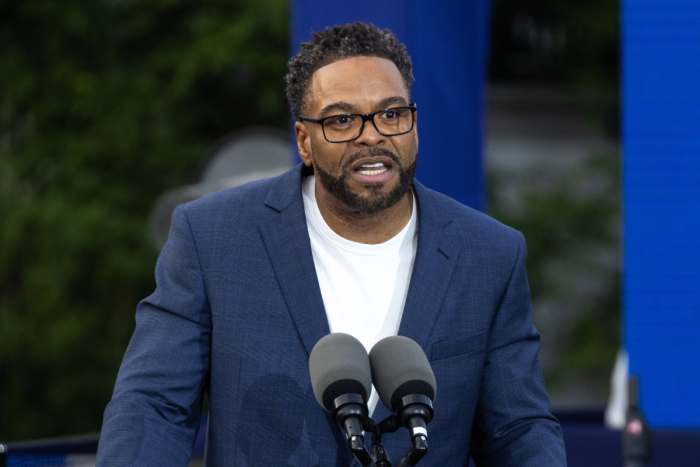



Nelly has successfully secured a $67,586 judgment to cover legal expenses incurred while defending himself against a baseless copyright claim. U.S. District Judge Victor Marrero issued the ruling on May 28, affirming that the rapper’s legal team is entitled to compensation for their efforts in dismantling a frivolous lawsuit initiated by former St. Lunatics member Ali Jones.
The legal dispute originated in September 2024, when Jones alleged that he had been unfairly excluded from royalties and songwriting credits on Nelly’s seminal 2000 debut album, Country Grammar. While other members of the St. Lunatics were initially named in the filing, they quickly distanced themselves from the litigation, stating they had never authorized the action. Jones proceeded as a solo plaintiff, seeking $50 million in damages and claiming the rapper had manipulated the group regarding compensation.
The case was ultimately dismissed as time-barred, as the claims were filed well beyond the statute of limitations. Despite the lack of legal standing, Jones’ legal team, led by attorney Precious Felder, contested the request for attorney fees, characterizing the billing records as vague and excessive. Judge Marrero rejected these arguments, upholding the hourly rates of the defense team—which included Kenneth Freundlich at $725 per hour, Jonah Grossbardt at $575 per hour, and Hugh Rosenberg at $375 per hour.
The court ultimately trimmed the initial request of $84,482.50 to $67,586, citing a 20 percent reduction for administrative tasks and vague entries. The ruling serves as a significant deterrent against meritless litigation, echoing earlier findings by U.S. Magistrate Judge Robert W. Lehrburger, who noted that the plaintiff’s counsel had “vexatiously protracted the proceedings in bad faith.”
The court’s decision reinforces the principle that defendants should not be forced to bear the financial burden of defending against claims that lack legal merit. Nelly is now required to certify in writing upon the receipt of these payments, effectively closing a chapter on a dispute that the court found to be entirely without foundation.