

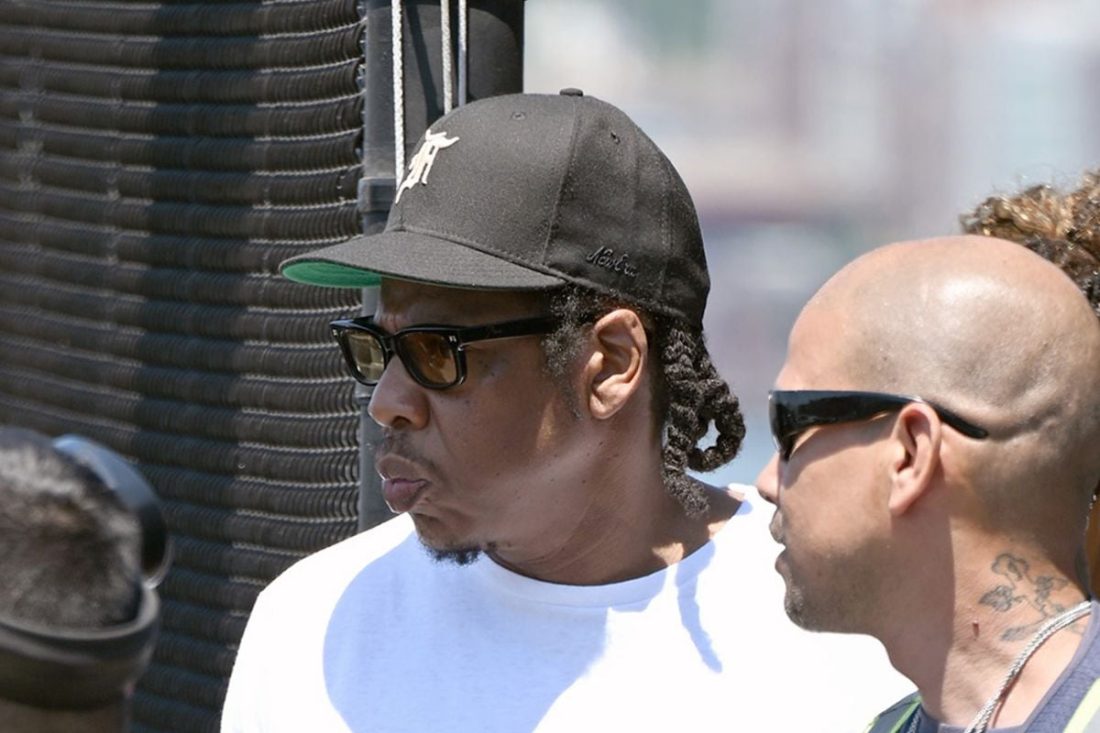
Jay-Z stood before 45,000 fans at Yankee Stadium and chose to address the elephant in the room head-on, transforming a celebration of his debut album, Reasonable Doubt, into a moment of raw, confrontational clarity. The freestyle, delivered early in the evening, served as a direct rebuttal to months of public scrutiny regarding his business partnership with Target—a retailer currently facing a significant boycott due to the rollback of its diversity initiatives.
The controversy surrounding the Target boycott gained momentum in early 2025 after Pastor Jamal Bryant called for a nationwide economic protest. The resulting campaign had tangible consequences, contributing to a $12 billion decline in the company’s market valuation and leading to a leadership change. When Jay-Z announced an exclusive 30th-anniversary edition of Reasonable Doubt through the retailer, he faced immediate backlash from activists who felt he was breaking ranks with the movement.
During his performance, Jay-Z did not shy away from the criticism. “They say I sold out, yeah I did sell out, three nights, I sold Yankee Stadium the hell out. I’ma a Target, aim, don’t miss that target/Exclusive they only doing what Apple and Walmart did,” he rapped, effectively challenging the consistency of his critics. He further questioned the performative nature of social media activism, pointing out the hypocrisy of those criticizing his business choices while simultaneously utilizing platforms owned by major corporations like Meta and Google.
Defending the REFORM Alliance
Beyond the Target controversy, the freestyle served as a platform for Jay-Z to highlight his commitment to criminal justice reform. He pivoted to his work with the REFORM Alliance, the organization he co-founded with Meek Mill in 2019. “I’m bringing folks home to their family. Laws getting passed, with him. You could like it or not, we don’t do no ass kissing,” he declared, emphasizing the tangible impact of his advocacy.
Since its inception, the REFORM Alliance has successfully pushed for the passage of 22 laws across 12 states, including California’s AB 1950, which capped probation terms. By reclaiming his narrative, Jay-Z positioned himself as a billionaire activist operating within a complex system, refusing to apologize for the pragmatic nature of his work. The night was further elevated by appearances from Beyoncé and Nas, marking a historic celebration of Hip-Hop’s enduring legacy.