

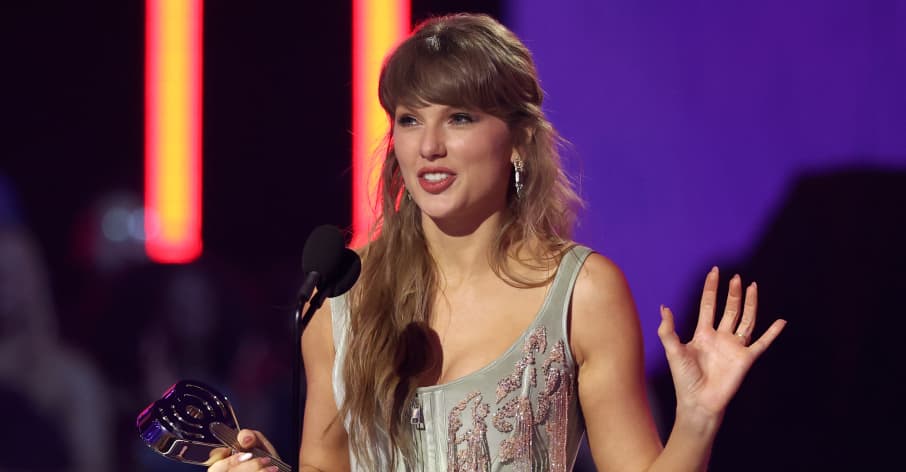
Taylor Swift is taking decisive steps to safeguard her intellectual property against the growing threat of artificial intelligence. On April 24, 2026, the artist behind The Life of a Showgirl filed new trademark applications specifically targeting the unauthorized use of her voice and likeness.
The filings include trademarks for the spoken phrases “Hey, it’s Taylor” and “Hey, it’s Taylor Swift.” Additionally, her team has secured a visual trademark for a specific image from her Eras Tour, featuring the singer in a bejeweled outfit while holding a pink guitar. These maneuvers represent a sophisticated approach to protecting a celebrity brand in the age of generative AI.
A New Frontier in Trademark Law
Trademark attorney Josh Gerben noted the significance of these filings, stating, “Attempting to register a celebrity’s spoken voice is a new use of trademark registration that has not been tested in court before.” While sound marks are not entirely new—Adele and other artists have navigated complex IP landscapes—the application of these protections to AI-generated audio is a strategic evolution.
Gerben explains that these trademarks could provide a powerful legal foundation: “If anyone creates anything using that voice with AI, Taylor and her legal team could argue it violates her trademark rights.” Unlike copyright, which protects specific creative works, trademark law offers a broader shield against consumer confusion and unauthorized commercial association.
The Broader Impact on Intellectual Property
The rise of AI models that scrape existing data to generate new content has created significant friction for artists. Major entities, including Disney, have already begun issuing cease-and-desist orders to tech platforms regarding the generation of protected characters. In the music industry, the issue is equally pressing. In late 2025, Jorja Smith and her label, FAMM, publicly challenged the use of her voice in AI-generated tracks, calling for stricter regulation and transparency.
“The usage of efficacy of AI is growing at an alarming rate and substantially outpacing regulation,” the label stated in December 2025. “AI material should be clearly labelled as such so that the public can choose whether they consume AI material or not.”
As the legal landscape continues to evolve, high-profile figures like Taylor Swift are setting a precedent. By leveraging trademark law to control how their likeness is utilized, artists are finding new ways to maintain agency over their creative identity in an increasingly automated world.