

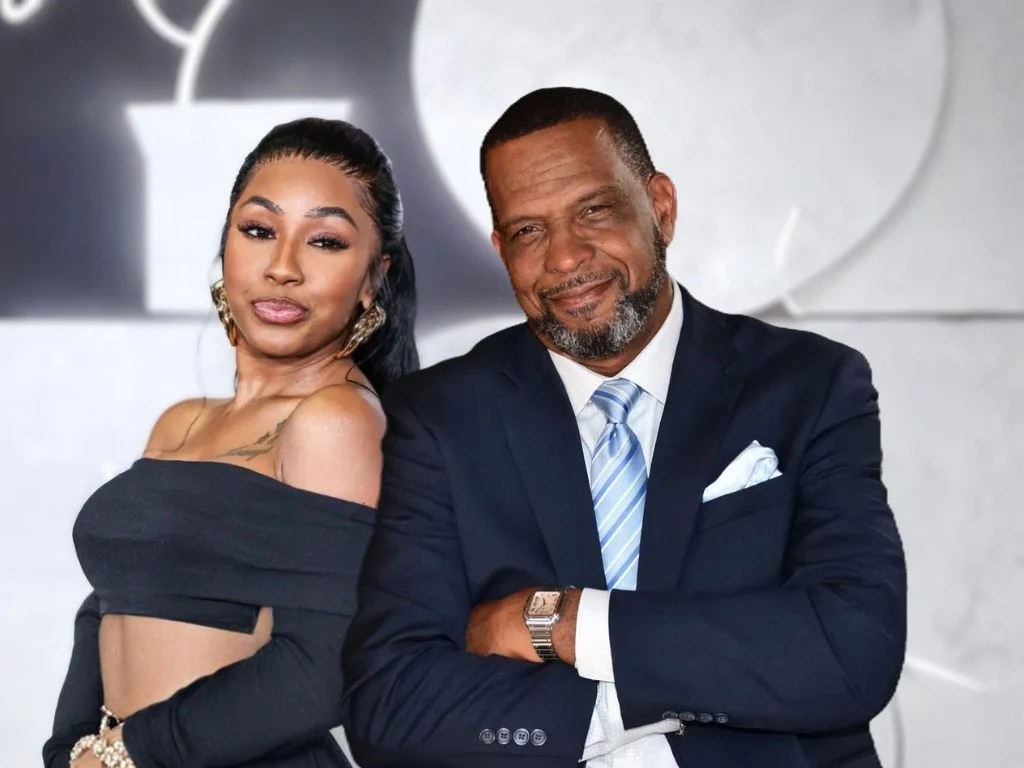
Luther “Uncle Luke” Campbell, a pioneer of Southern hip-hop and a seasoned veteran of industry controversy, is stepping up to defend Yung Miami following the intense public reaction to her latest single, “Spend Dat.” As a former leader of 2 Live Crew, Campbell is no stranger to the scrutiny that often follows provocative artistic expression, and he believes the current discourse surrounding the City Girls star is part of a familiar, cyclical pattern.
In an exclusive interview with AllHipHop, Campbell emphasized that the backlash against “Spend Dat” mirrors the moral panic that once targeted his own music, as well as the work of legendary acts like N.W.A. “It’s the same thing that I went through,” Campbell stated. “A bunch of people upset about free speech. She has the right to say what she wants to say on a record. People can choose to buy it, choose to listen to it, turn it on or turn it off.”
A History of Censorship and Artistic Freedom
Campbell, who is currently campaigning for Florida’s 20th Congressional District, views these debates through the lens of his long-standing commitment to community advocacy and constitutional rights. He argues that the criticism leveled at Yung Miami—most notably by singer-songwriter India.Arie—fails to account for the creative autonomy that defines the genre. While he acknowledges Arie’s right to her opinion, he maintains that her critique is merely the latest iteration of a long-standing tradition of outsiders attempting to police hip-hop.
“I basically said to India, she has the right to sing what she wants to sing, and I defend her right. I defend everybody else’s right,” Campbell explained. “We don’t live in a world where everybody just listens to one type of music all day. We’d get bored.”
The Evolution of Hip-Hop Criticism
During his conversation with Chuck “Jigsaw” Creekmur, Campbell traced the lineage of these controversies, noting how the industry has repeatedly targeted artists who push boundaries. From the obscenity charges faced by 2 Live Crew and the revolutionary rhetoric of Public Enemy to the modern-day scrutiny of Cardi B and Megan Thee Stallion, Campbell sees a consistent trend: “It seems like every hit record becomes a problem.”
Ultimately, Campbell argues that hip-hop serves as a mirror to reality rather than an endorsement of criminal behavior. He believes that the relatability of “Spend Dat” is exactly why it has resonated with such a wide audience. “Art imitates life,” he concluded. “For people to keep criticizing it, they need to just sit down and keep it moving. The people can choose. That’s what free speech is about.”